Wedding Planning Essentials List
A Practical, Stylish Guide to Your Wedding Planning Essentials List
A wedding planning essentials list keeps things simple, so you can focus on the moments that matter. Whether you're starting from scratch or refining plans three months out, this guide walks you through every must-have—timelines, vendors, décor, legalities, and the small details that make your day unmistakably yours. You'll find practical checklists, realistic timelines, and personalization ideas (like custom napkins and illustrated dog napkins) so your celebration feels thoughtful and joyful.
Your Core Wedding Planning Essentials List: The Quick Overview
Start with a one-page essentials list you can glance at on busy days. This is your roadmap—short, practical, and action-oriented. Keep it somewhere visible, like your phone home screen or fridge.
- Wedding date and venue
- Budget and top 5 priorities
- Guest count
- Key vendors booked (venue, caterer, photographer)
- Dress and attire timeline
- Day-of timeline and point person
- Personalized décor plan (signage, napkins, favors)
Keep this short. When decisions get chaotic, the essentials list brings you back to what truly needs your attention.
1. Budget Basics: Build It, Track It, Stick To It
Budgeting is the backbone of your wedding planning essentials list. A clear budget helps you make tradeoffs confidently—where to splurge and where to save.
Set Your Total and Priorities
Decide on a realistic total and pick your top three priorities. For example, if photography and food are top priorities, allocate a larger slice of the budget to them.
Break It Down
- Venue and catering: 40–50%
- Photography/videography: 10–15%
- Attire and beauty: 7–10%
- Music and entertainment: 5–10%
- Decor and rentals: 5–10%
- Stationery and favors: 3–5%
- Miscellaneous: 5–10%
These are starting points, not rules. Adjust to fit your priorities. Use a spreadsheet or an app and update it weekly.
Track Payments
- List each vendor, deposit amount, payment dates, and cancellation policy.
- Keep digital copies of contracts and receipts organized in one folder.
- Set calendar reminders for final payments.
2. Guest List and Invitations: Who's In, Who's Not, and Managing RSVPs
Your guest list shapes your budget, venue choice, and vibe. It's one of the most emotional parts of planning, so give it structure.
Start With the Must-Haves
Begin by listing immediate family, close friends, and any VIPs you both want present. Then add extended family, coworkers, and others. Tackle tough calls with a neutral rule, like "people we've seen in the last two years."
Save-the-Dates and Invitation Timeline
- Save-the-dates: 6–9 months before wedding (earlier for destination weddings)
- Invitations: 8–12 weeks before, RSVP requested 3–4 weeks before
Manage RSVPs Efficiently
Use an RSVP tool (wedding website, Google Form, or RSVP card). Track meal choices and any song requests. Confirm final guest count with your caterer at least 2 weeks out.
3. Venue and Logistics: Choosing the Right Place and Planning the Flow
Your venue sets the tone and affects nearly every other decision. Visit multiple sites and ask the right questions.
Questions to Ask When Touring
- What's included in the rental fee?
- How many hours are included and what's the overtime rate?
- Is there an on-site coordinator?
- What is the capacity for ceremony and reception?
- Are tables, chairs, linens, and setup/cleanup provided?
- What are the vendor restrictions (caterers, alcohol, music limits)?
Practical Logistics
Think about parking, accessibility, and restrooms. If the ceremony and reception are at different locations, plan transport time. Do a walk-through with your coordinator to confirm layout and vendor access.
4. Vendors and Contracts: Hiring People You Trust
Vendors bring your wedding to life. Treat hiring them like hiring a small team; look for clear communication, portfolio quality, and a personality fit.
Core Vendors to Book Early
- Venue
- Photographer and videographer
- Caterer
- Officiant
- Band/DJ
- Florist
What to Include in Contracts
- Service description and timeline
- Total cost and payment schedule
- Cancellation and refund policy
- Overtime rates
- Insurance and liability (if relevant)
Always get contracts in writing. If a vendor is hesitant to sign details, that's a red flag.
5. Style and Decor Essentials: Make It Personal and Photogenic
Decor ties your wedding together visually. Start with inspiration but keep a consistent color palette and material story. Personalization is where you'll create memories for guests.
Build a Decor Plan
- Pick 2–3 main colors and 1 accent
- Decide on materials: wood, linen, glass, acrylic, or paper
- Choose a centerpiece style for tables
- Create focal points: welcome table, bar, sweetheart table
Small Details, Big Impact
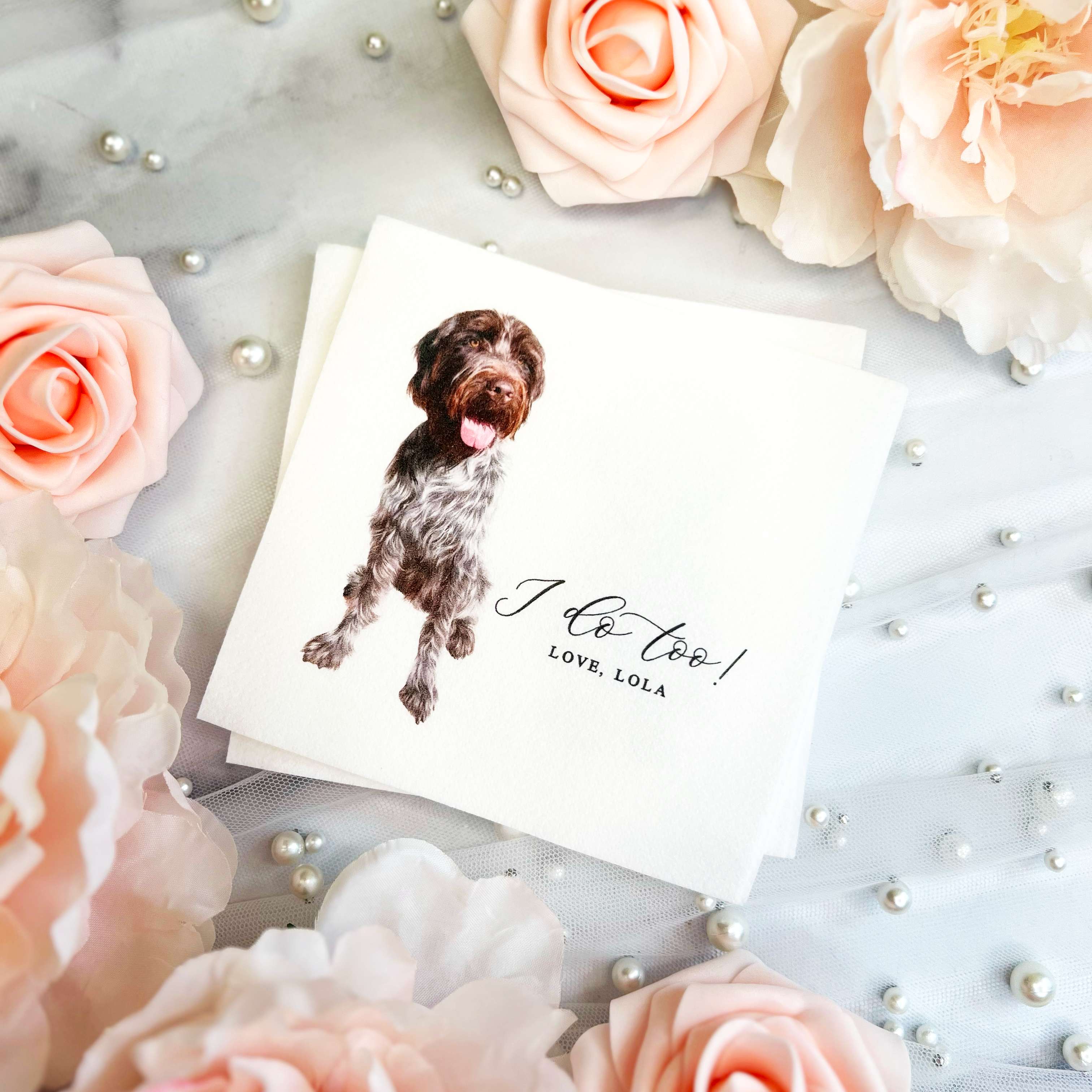
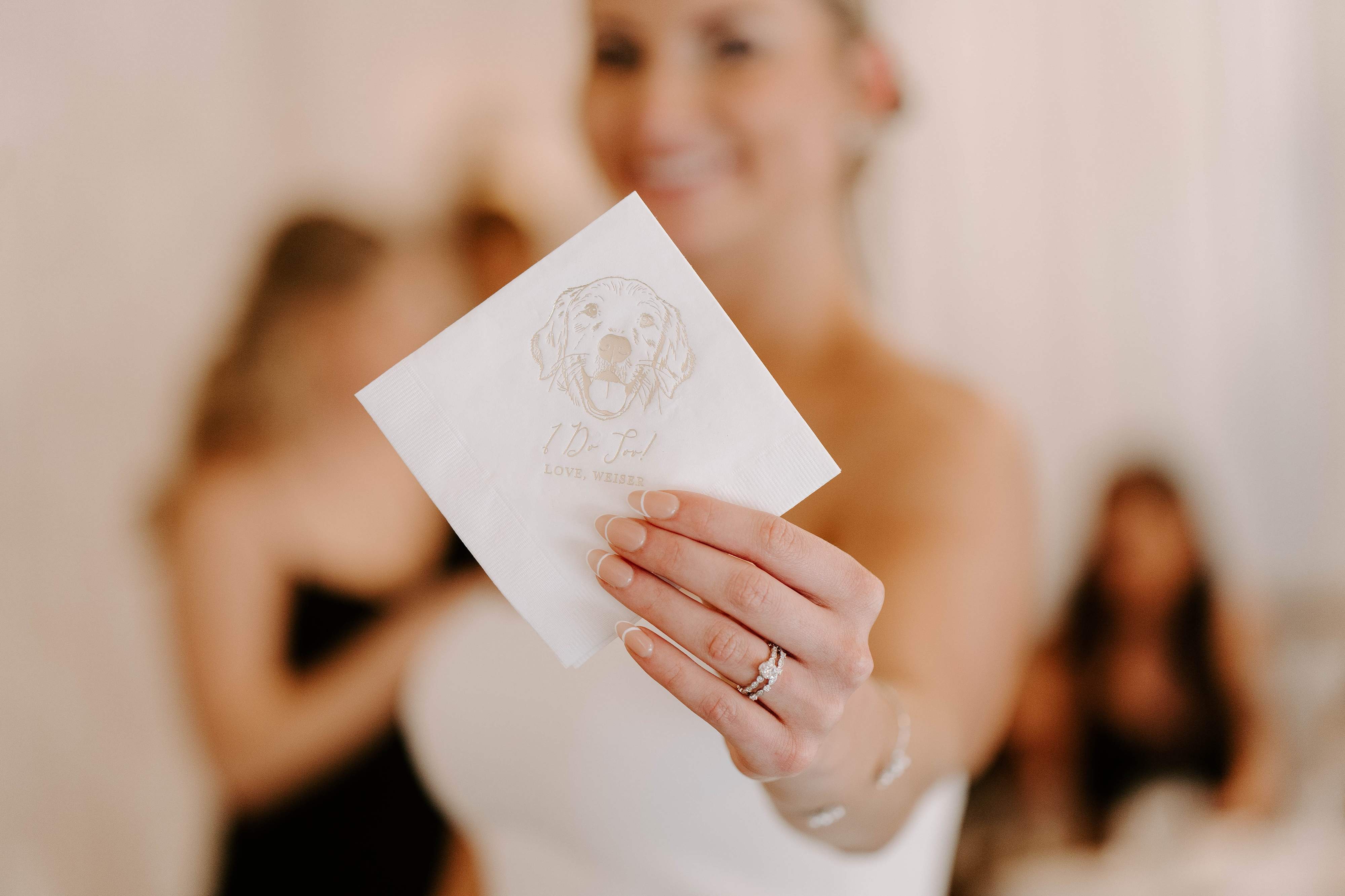
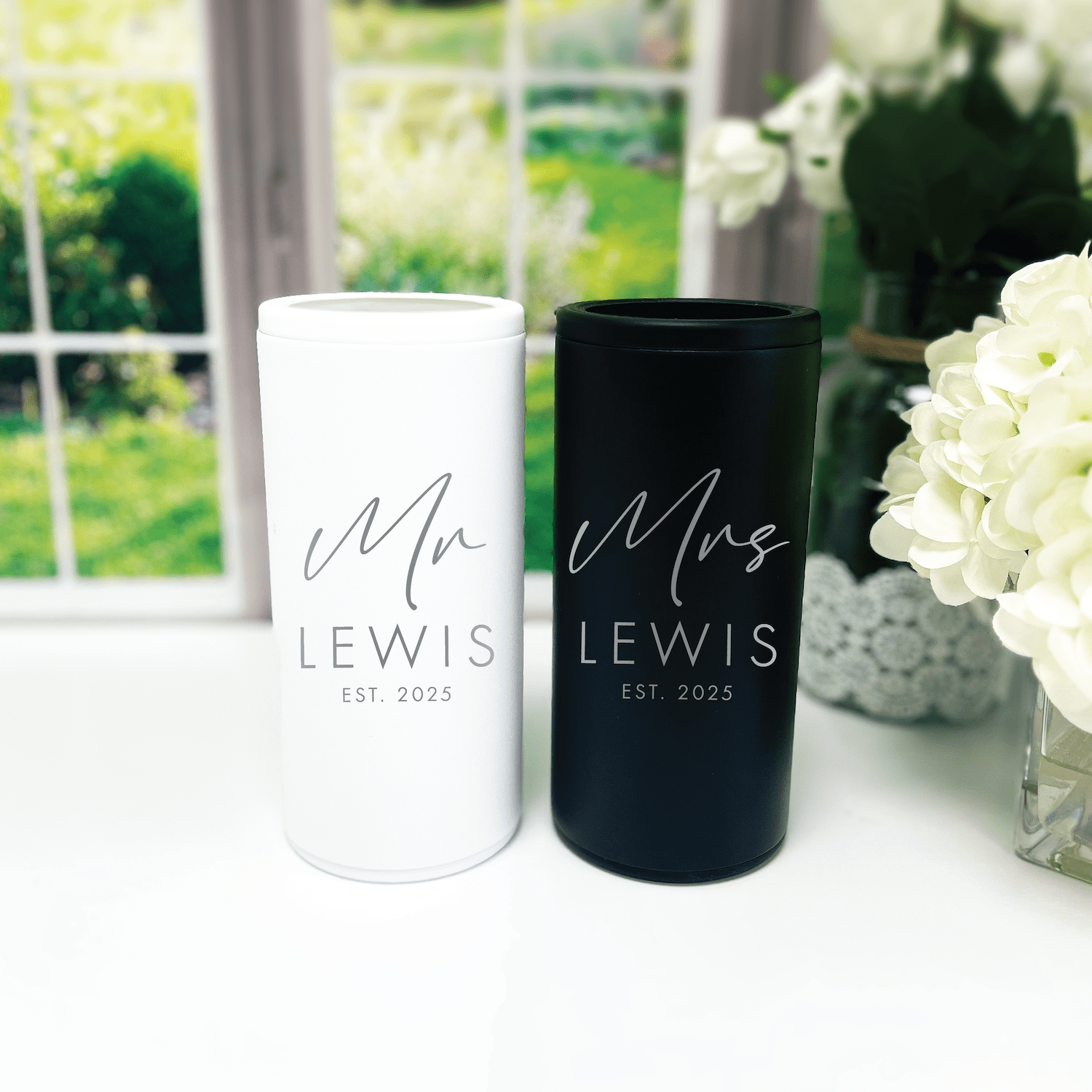
Personalized items make guests feel seen. Custom napkins or custom cups add charm and double as memorable keepsakes. If you love playful touches, illustrated dog napkins can be a delightful nod to your pup—guests notice these details in photos and conversation.
Browse style ideas in our best sellers collection to see popular custom options and get layout inspiration. Many couples pair custom cocktail napkins with coordinating signs to add a cohesive look. You can also explore customer favorites for trending designs and real-wedding photos, which helps you picture items in a live setting: customer favorites.
Rentals vs. Purchase
Decide what you want to buy forever and what to rent. Statement pieces like signage or custom napkins are worth buying. Table settings and big furniture pieces are often cheaper to rent unless you're planning future use.
6. Attire and Beauty Timeline: Looking Like Yourself, at Your Best
Start early for dresses and tailored items. Most bridal gown shops recommend ordering 6–9 months before your wedding to allow time for alterations. Men's formalwear often requires 6–8 weeks for orders and adjustments.
Key Appointments
- Dress shopping: 9–12 months out (less for sample sales)
- Dress order: 6–9 months out
- First fitting: 8–12 weeks prior
- Final fitting: 2–4 weeks prior
- Hair and makeup trial: 4–6 weeks out
Bring photos and mood boards to trials. If you plan an outdoor wedding, test your hairstyle in similar conditions, like humidity or wind.
7. Ceremony Planning and the Rehearsal: Creating an Intentional Moment
Your ceremony is the heart of the day. Keep it meaningful and clear. Decide on readings, vows, and music early so everyone involved can prepare.
Order of Service Checklist
- Processional songs and entrance order
- Who gives readings and when
- Vows and any special rituals
- Recessional song
Rehearsal Tips
Schedule the rehearsal right after the walkthrough with your officiant. Keep it short and focused. Hand out a simple cue sheet to everyone who has a role, so they know when to arrive and where to stand.
8. Reception Flow and Seating: Crafting a Comfortable, Fun Evening
Plan the reception in distinct parts: arrival/cocktail hour, dinner, toasts, first dances, and party. An intentional flow prevents awkward gaps and keeps energy steady.
Seating Chart Strategies
- Group by relationships rather than strict family names to make placements intuitive
- Mix familiar faces with new ones to spark conversation
- Put talkative guests near quieter tables to balance noise
- Consider sightlines for toasts and the head table view
Timing Example
- Cocktail hour: 60 minutes
- Guests seated/dinner starts: 30 minutes
- Main course and toasts: 45–60 minutes
- First dances and parent dances: 15–20 minutes
- Dance party: remainder of evening
Share a simplified timeline with vendors two weeks before the wedding so sound cues and lighting are synchronized.
9. Day-Of Timeline and Emergency Kit: Be Prepared, Stay Calm
Having a clear day-of timeline and a well-stocked emergency kit is essential. Assign a point person—close friend, family member, or planner—who knows the timeline and vendor contacts.
Sample Day-Of Timeline (6–8 Hour Reception)
- 8:00 AM — Hair and makeup begin
- 11:00 AM — Photographer arrives for getting-ready shots
- 1:00 PM — First look and couple portraits
- 2:00 PM — Guest arrival starts
- 3:00 PM — Ceremony
- 4:00 PM — Cocktail hour
- 5:00 PM — Guests seated, dinner begins
- 6:00 PM — Toasts and cake cutting
- 7:00 PM — First dance, open dance floor
- 10:00 PM — Send-off
Wedding Day Emergency Kit
- Needle and thread, safety pins
- Stain remover wipes
- Pain reliever and antacid
- Blister pads and band-aids
- Fashion tape and double-sided tape
- Clear nail polish and hair ties
- Extra earring backs, fresh breath mints
- Mini sewing kit and scissors
- Phone charger and backup battery
- Sealant or a travel-size hairspray
Keep the kit with your point person or bridal party leader so it's easily accessible.
10. Paperwork, Licenses, and Legal Essentials
Missing paperwork can stop things in their tracks. Check your local county requirements because rules vary widely.
Marriage License Checklist
- Application requirements and ID needed
- Waiting periods or residency rules
- Fees and acceptable payment methods
- Who can officiate and sign the license
- When and where to file the license
Keep a photocopy of your license and a record of filings with your planner or point person.
11. Personal Touches and Guest Experience: Make It Memorable
Personalized details turn a lovely wedding into a memorable one. Think about what your guests will hold, use, and remember.
Welcome Bags and Favor Ideas
- Local snacks or mini bottles of local spirits
- Hangover relief kits for guests staying overnight
- Custom napkins, cups, or coasters with your wedding motif
- Small plants, seeds, or a charity donation card in your honor
Custom napkins and frosted plastic cups are functional and stylish favors. Consider ordering a few napkin designs from our best sellers collection to match your palette and theme; they make a great photo prop at the bar. If you're looking for designs couples really love, check out our customer favorites for ideas that have resonated with real weddings.
Signage and Directions
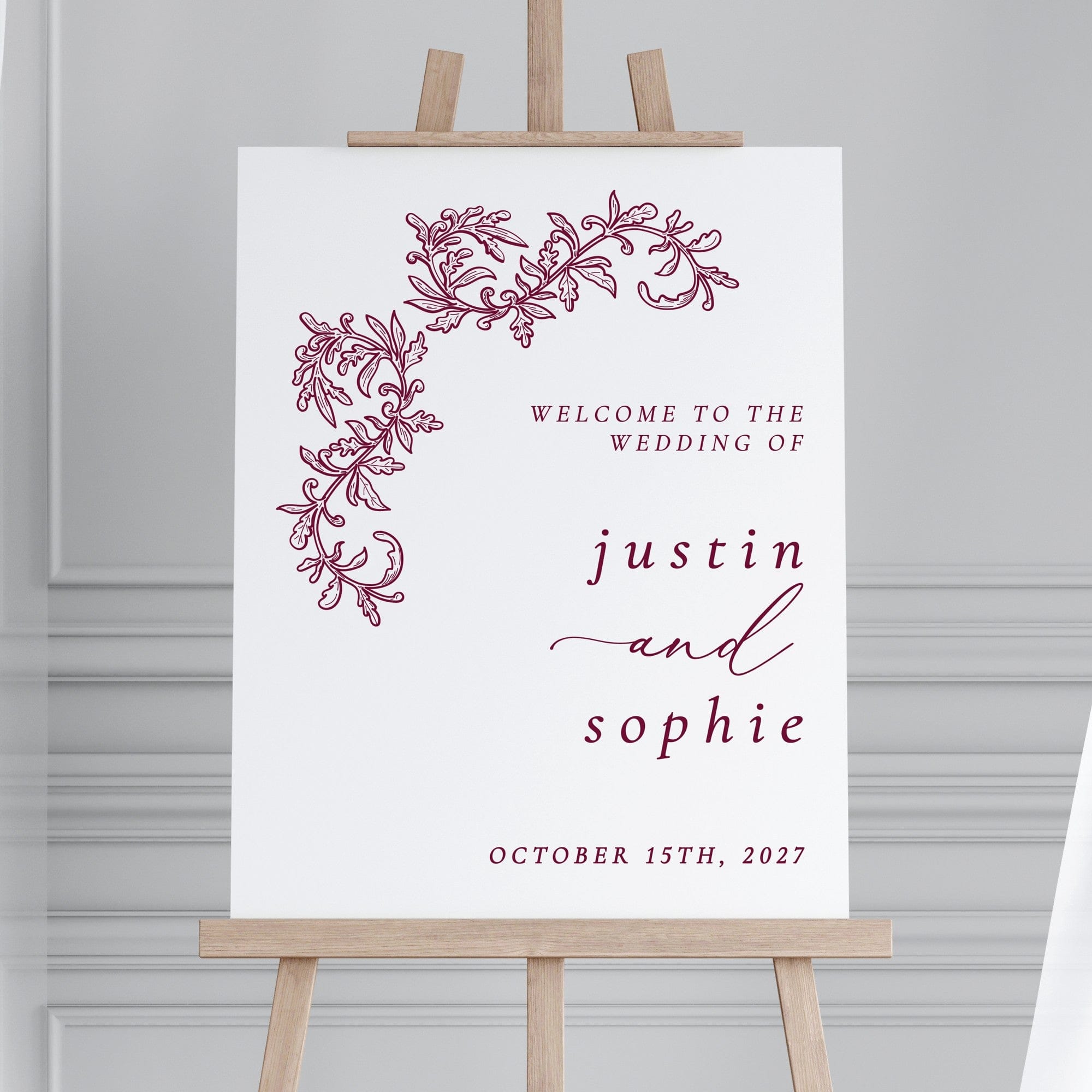
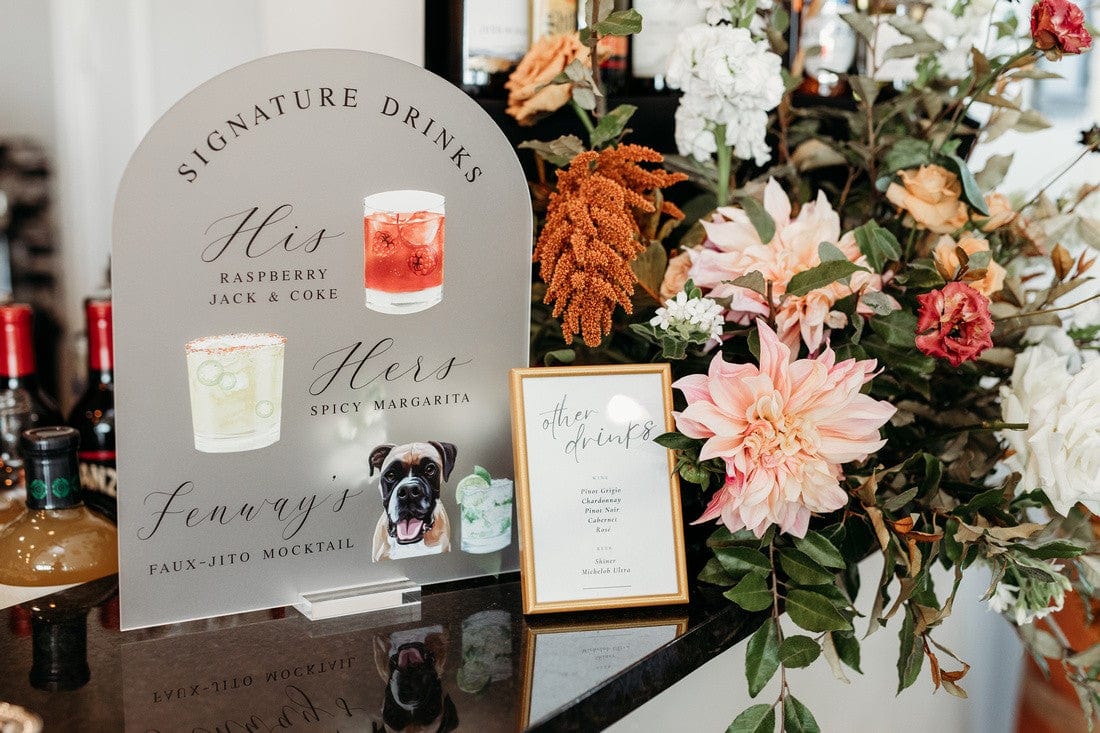
Clear and stylish signage helps with flow and adds to the photo backdrop. Signs that direct guests to the ceremony, bathrooms, or cocktail hour reduce friction and make your day feel relaxed.
Photo Ops and Guest Interaction
- Polaroid or instant film guestbook
- Hashtag ideas for social sharing
- Interactive stations like a fun cocktail bar or a pet-friendly photo prop
If you have a pet cameo in the day, illustrated dog napkins or custom pet welcome signs with a pet portrait is a charming way to include them, especially if they can't attend.
12. After the Wedding: Wrap-Up Tasks You'll Want to Do
The day after is for decompressing. In the week after, handle these practical items.
- Confirm final vendor payments and tips
- Return rentals and collect any personal items
- Submit your photos to vendors for social sharing permissions
- Write thank-you notes or schedule emails
- Preserve your dress or any keepsake items
Take care of yourself emotionally, too. It's normal to feel a mix of joy and exhaustion. Plan a low-key honeymoon wind-down if possible.
Real Planning Examples and Practical Tips
Here are three short examples based on real planning scenarios to show how the wedding planning essentials list adapts to different styles.
Example 1: The Micro Wedding
You're planning for 35 people. Prioritize photography, food, and a standout escort card setup. Save money on large rentals and invest in personalized napkins and a statement sign. Order custom napkins from the best sellers collection to add bespoke charm without a huge price tag.
Example 2: The Rustic Barn Wedding
Think lighting and weather contingencies. Reserve a tent option and order sturdy signage. Keep table decor tactile—wood accents, linen runners, and custom cups that match the rustic palette. Browse coordinating items in our customer favorites to find combinations that photograph well outdoors.
Example 3: The Destination Weekend
Block hotel rooms early and prepare welcome bags. For favors, choose items that travel well, like custom napkins or compact coasters. Coordinate a style kit that reflects the locale, using cohesive graphics across welcome signs and napkins, like those found in our best sellers.
Vendor Communication Templates You Can Use
Clear, concise messages save time and prevent misunderstandings. Here are two short templates you can copy and tweak.
Initial Vendor Inquiry
Hello [Vendor Name],
We're planning a wedding on [date] at [venue]. Our estimated guest count is [#]. Could you share your availability and a sample contract? We're especially interested in [specific service].
Thanks, [Your Name and Partner's Name]
Final Details Message (Two Weeks Out)
Hi [Vendor Name],
We're checking in with final details for [date]. Arrival time for your team is [time]. The on-site contact is [name] at [phone]. If you need anything else from us, please let us know.
Best, [Your Name]
Frequently Asked Questions
What should be on a wedding planning essentials list for a small budget?
Focus on venue, food, and photography. Cut costs by choosing a nontraditional venue, limiting alcohol options, or choosing a shorter reception. Personalization like custom napkins can be an affordable way to add signature style without increasing overall costs.
How far in advance should I book my major vendors?
Book the venue first, ideally 12–18 months before the date for peak seasons. Photographers and caterers should follow; most good ones book 9–12 months in advance. For off-season dates, 6–9 months can be enough.
When should I send save-the-dates and invitations?
Save-the-dates 6–9 months before the wedding, especially if you have out-of-town guests. Invitations should go out 8–12 weeks before, with an RSVP deadline 3–4 weeks prior.
How many copies of my wedding planning essentials list should I share?
Keep one master copy and share a simplified timeline with vendors and your point person. For the bridal party, share a pared-down timeline and contact list so everyone knows where to be and when.
What are some memorable but budget-friendly personalization ideas?
Custom napkins, signature cocktail names, printed playlists, and illustrated favors like pet-portrait napkins are memorable options that don't always cost a lot. Small items used by guests, such as napkins or cups, are especially good value because they're functional and photographed often.
When should I create my day-of emergency kit?
As soon as your vendors are confirmed, assemble an emergency kit and give it to your point person. You'll be glad you had it when the minute-by-minute rush begins.
Can I DIY my wedding decor and still keep stress low?
Yes, but be realistic. Choose projects you enjoy that aren't time-sensitive and consider buying ready-made items for anything that needs early ordering—like custom napkins or signs. Outsource set-up and teardown when possible to avoid tiring yourself out on the wedding day.
How do I decide what to splurge on?
Pick three splurges that matter to you and allocate savings from lower-priority areas. If photography is a splurge, you might save on stationery by choosing fewer printed items and using a wedding website instead.
Conclusion
Use this wedding planning essentials list as your foundation. It's flexible and meant to reflect your priorities, not dictate them. Start with the big items—venue, budget, vendors—then layer in personalization that tells your story. Small, thoughtful details like custom napkins, illustrated favors, and cohesive signage make your wedding feel intentional and joyous. Take it step-by-step, lean on trusted vendors and friends, and remember that the biggest moments are often the simplest ones.
Related Blog Posts
- The Complete Wedding Checklist for Brides
- Your Go-To Checklist for Wedding Decor
- Wedding Planning 101: When to Order Everything
- Wedding Decor Ideas for Small Spaces
- Personalized Wedding Favor Options Your Guests Will Love
- Budget-Friendly Wedding Favors That Still Impress
- Don't Forget Your Wedding Signage
- 5 Signs Every Wedding Needs
- What to Put in a Wedding Welcome Bag
- 6 Essentials for a Picture-Perfect Cocktail Hour
At Rubi and Lib
At Rubi and Lib, we specialize in helping you celebrate life's most memorable moments with personalized wedding and party decor designed to reflect your unique style. From custom cocktail napkins and frosted plastic cups to bar signs and party favors, our curated collections are created to elevate your celebration and leave a lasting impression on your guests.
Whether you're planning a wedding, bridal shower, bachelorette party, baby shower, or birthday bash, our products add a thoughtful, stylish touch that turns an ordinary gathering into an unforgettable event. Many of our designs feature custom illustrations—including pet portraits—so your decor feels as one-of-a-kind as your story.
As a women-owned small business, we're passionate about making the ordering process seamless and enjoyable. Every item is crafted with care and attention to detail, and most of our products are made in the USA. We believe celebrations should feel personal, joyful, and stress-free—that's why we're here to help you create meaningful moments, one custom detail at a time.
Explore our best sellers (https://rubiandlib.com/collections/best-sellers), discover customer favorites (https://rubiandlib.com/collections/best-sellers), or reach out (https://rubiandlib.com/pages/contact-us) for something truly unique. At Rubi and Lib, your celebration is our inspiration.

Written by Bethany Wysolmerski