Wedding Welcome Sign Ideas: Design, Wording, and Placement Guide
A wedding welcome sign is often the first physical touchpoint guests encounter when arriving at a celebration — a practical marker, a mood-setter, and a chance for the couple to introduce their style. For couples who want personalized decor that tells a story, the welcome sign does heavy lifting: it greets, guides, and sometimes gifts guests a little preview of what the day will feel like.
Why the Welcome Sign Matters
A wedding welcome sign does more than say “hello.” It:
- Sets the tone: Whether it’s formal calligraphy on a gold mirror or playful hand-lettering on reclaimed wood, the sign hints at the wedding’s aesthetic.
- Provides direction: At multi-venue or outdoor sites, it helps guests find the ceremony, cocktail hour, or parking.
- Reduces questions: Clear wording prevents guests from asking staff for basic details like schedule or Wi-Fi password.
- Acts as decor: The sign and its display (easel, frame, florals, neon) contribute to the overall visual story and can be photographed for social media.
- Creates a keepsake: Many couples keep customized signs as mementos or repurpose them in their home.
Choosing the Right Style
Selecting a style begins with the wedding’s theme. The sign should feel like it belongs with the venue, stationery, and other decor elements.
Match the Venue
- Rustic barn: Weathered wood, chalkboard, hand-painted lettering.
- Modern loft: Acrylic with minimalist typography, black-on-clear or white-on-plexi.
- Beach wedding: Driftwood frame, light script, nautical colors.
- Garden wedding: Floral garlands, white framed board, watercolor backgrounds.
- Industrial space: Metal or neon signs with bold, utilitarian fonts.
Coordinate With Other Elements
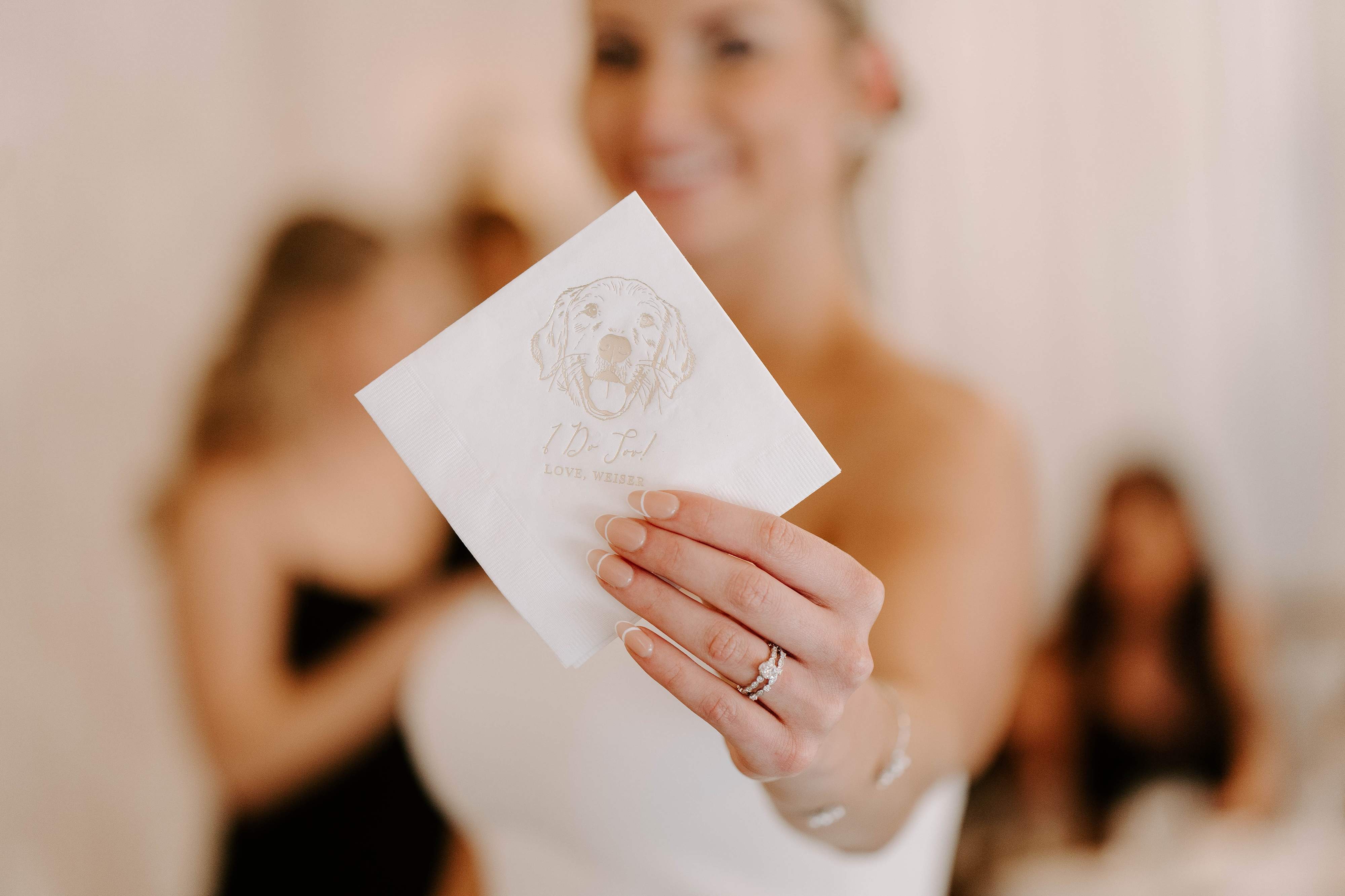
The welcome sign should echo the wedding palette and typography. If invitations use a script for names and a sans-serif for details, apply the same pairing on the sign. Rubi and Lib, a brand specializing in personalized wedding decor, often recommends designing signs that connect visually with custom napkins or cups — for instance, colors or illustrations that repeat across items to create a cohesive guest experience. Their illustrated dog napkins are a strong example: when a couple features an illustrated pet motif on their welcome sign, the overall look feels intentionally tailored and charming.
Materials: Pros and Cons
Material choice affects aesthetic, durability, and budget. Here are commonly used options:
- Wood (reclaimed or new): Warm and tactile; great for rustic and boho weddings. Susceptible to weather unless sealed.
- Acrylic: Sleek and modern; can be transparent, frosted, or colored. Good for crisp printing or vinyl lettering.
- Chalkboard: Affordable and cozy; perfect for casual or bohemian-style events. Weather and smudging are risks outdoors.
- Mirror: Elegant and reflective; popular at formal or vintage-inspired weddings. Requires sturdy mounting and careful handling.
- Canvas: Lightweight and painterly; works well for watercolor designs or hand-painted signs.
- Metal (aluminum, brass): Very durable, contemporary look; can be heavier and pricier.
- Foamboard/Coroplast: Budget-friendly for temporary use; can be printed in full color but feels less premium.
Outdoor Considerations
For outdoor ceremonies, prioritize weatherproof materials (acrylic, sealed wood, metal) and UV-resistant inks. Mount signs solidly — stakes, weighted bases, or tethering to an easel will keep them steady in wind. If rainy weather is likely, a covered welcome table or clear signage protector helps preserve the look.
Design Elements: Typography, Color, and Layout
Thoughtful design makes a sign readable from a distance and attractive up close. Here are actionable tips:
Typography Tips
- Use no more than two complementary fonts — one for names (script or display) and one for body text (sans or serif).
- Prioritize legibility: large, high-contrast text for crucial info (venue, direction).
- Avoid ALL CAPS for long lines; it can reduce readability.
- Test at scale: print a small version and step back; then imagine the sign at intended viewing distance.
Color and Contrast
Contrast matters more than matching every color swatch. If the background is dark, go with white or light-colored lettering. For transparent acrylic, consider a colored backing or vinyl letters for visibility. Metallic inks (gold, copper) photograph beautifully but may reflect sunlight; matte options are a safer bet outdoors.
Composition and Negative Space
Don’t overcrowd the sign. Leave breathing room around the edges and separate message sections (names, date, directions) with spacing or subtle dividers. Visual hierarchy — larger name text, medium-sized greeting, small directional text — helps the eye understand what’s important.
Wording and Messaging: What to Say
Wording depends on formality, guest familiarity with the venue, and whether the sign doubles as schedule or directions. Below are categorized templates that can be copied or customized.
Classic/Formal
- Welcome to the Wedding of
Olivia & Michael
October 12, 2026 - Welcome
to the Marriage Celebration of
Sophia & Daniel
Casual/Playful
- Hey There! You’ve Found the Party.
Anna + Luis - Come as You Are — Stay for the Cake.
Jess & Mateo
Directional / Informational
- Ceremony This Way →
- Welcome! Cocktail Hour in the Garden • Ceremony at 3:00 PM
- Gifts & Cards • Drop Here | Guest Book • Sign Below
Inclusive / Multilingual
- Bienvenidos • Welcome • 歡迎 • Welkom
- Welcome to the Celebration of Love — All Are Invited
Nontraditional / Unique
- Dogs Welcome (on Leash) • Please Find a Seat, Not a Side — We’re All Family Here
- Welcome to Our Story • Eat, Dance, Be Merry
Couples can mix and match the tone. For a rehearsal dinner, the wording can be more playful; for the ceremony entrance, keep it simple and elegant. If the sign will be photographed with guests, a short phrase or hashtag is useful but optional — too much text can clutter photos.
Display Options and Styling Tips
How the sign is presented matters as much as the sign itself.
Easels and Stands
- Classic wooden easel: Timeless and versatile for framed or canvas signs.
- Metal tripod: Sleek for modern acrylic or metal signs.
- Freestanding base or A-frame: Best for coroplast or foamboard outdoors.
- Mounted on a fence or gate: Use hooks or zip ties for stability.
Florals and Greenery
Floral clusters or eucalyptus garlands around the corner of a sign add softness. Consider fresh flowers for same-day beauty and silk florals if the sign will spend the day outdoors or be transported. Match floral colors to bouquets or table centerpieces for cohesion.
Lighting
- String lights or small uplights make signs readable after sunset.
- Battery-operated LED spotlights are easy to set up and weather-friendly.
- Neon signs deliver a contemporary, photo-ready focal point; they’re pricier but memorable.
Props and Tables
Welcome signs often sit on a table with guest books, favors, ceremony programs, or a small seating chart. Keep the layout tidy and give each item its own space — clutter around the sign diminishes its visual impact.
Personalization and Themed Ideas
Personal touches make a sign feel less like rented decor and more like a reflection of the couple’s story.
Illustrations and Motifs
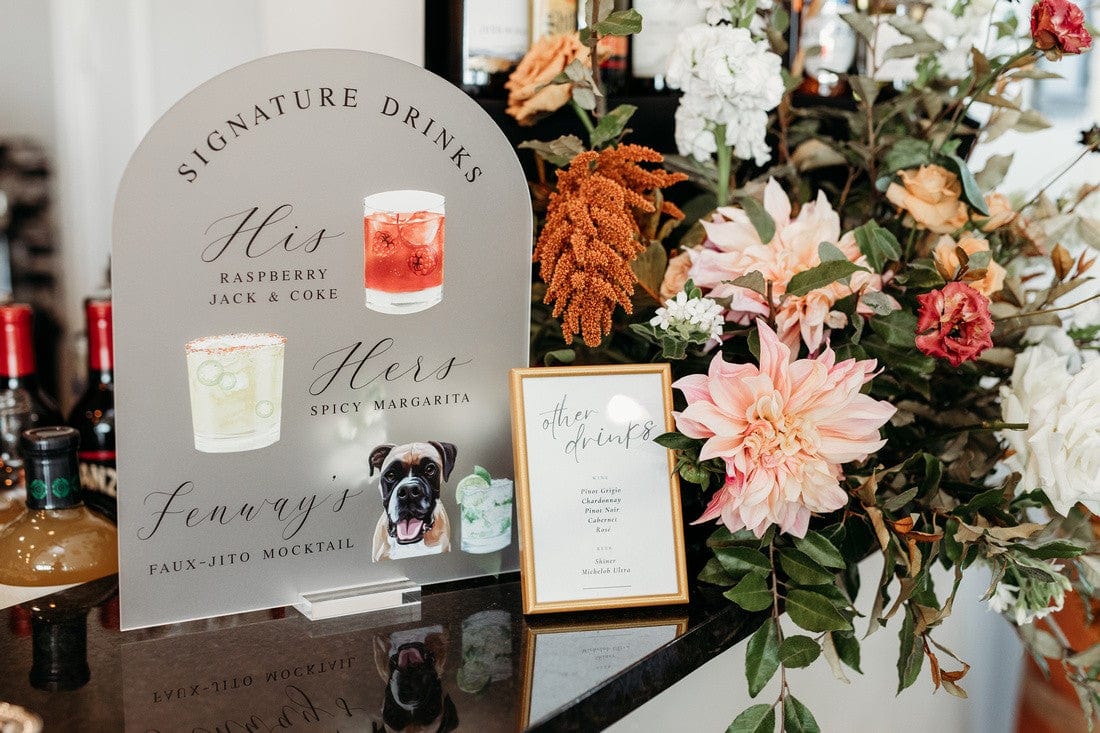
Couples can include illustrations of a favorite skyline, hometown landmark, seasonal foliage, or their pet. Rubi and Lib’s illustrated dog napkins inspire a playful idea: pair a welcome sign that features a small sketch of the couple’s dog with matching napkins at the reception. The repetition of the motif feels intentional and delightfully personal for guests who love animals.
Monograms and Logos
Creating a simple monogram to use across invitations, signage, and favors ties everything together. A monogram also makes signage look polished and cohesive.
Interactive Elements
- QR codes that link to a micro-site with directions, playlist, or parking map.
- Photo prompts on the sign: “Snap a photo & tag #HappilyEverHamilton.”
- A small chalkboard for guests to sign or leave notes next to the welcome sign.
DIY vs. Custom vs. Rental
Each route has pros and cons. Decide based on budget, timeline, and desired finish.
DIY
- Great for budget-conscious couples and those who enjoy crafting.
- Materials: plywood, chalk paint, stencils, and weatherproof sealant.
- Time investment is significant; plan for trial runs and full dry time.
Custom (Preferred for Personalization)
- Best for couples who want a high-quality, unique sign with a bespoke design.
- Custom makers can match brand elements (font, color, motif) — personalized sign options that coordinate with their custom napkins and cups for a seamless look.
- Allow at least 4–8 weeks for production and shipping, longer for handcrafted signs.
Rental
- Cost-effective for premium materials like large mirrors or neon signs.
- Limited customization; rentals may need to fit a standard aesthetic.
- Logistics can be simpler because set-up and pick-up are usually handled by the rental company.
Budgeting and Timeframe
Sign prices vary widely depending on size, material, and customization level. Here’s a rough guide:
- DIY materials: $20–$150
- Printed foamboard or coroplast: $50–$200
- Custom wood or acrylic (small-medium): $150–$600
- Large handcrafted signs, mirrors, or neon: $600–$2,500+
Order timing:
- Custom signs: order 8–12 weeks before the wedding.
- Rushed custom orders: allow at least 2–4 weeks; expect rush fees.
- DIY signs: start 4–6 weeks out to allow time for practice, drying, and potential rework.
Accessibility and Readability Best Practices
Accessibility ensures all guests can read and enjoy the sign:
- Use high contrast (dark text on light background or vice versa).
- Choose larger font sizes for key messages (names, arrows, times).
- Avoid decorative fonts for long lines of text — ornamented scripts should be used sparingly.
- Place signs at a height and angle that’s easy to read for seated guests and onlookers with different heights.
Photography and Social Media Considerations
A welcome sign often shows up in wedding photos — consider how it photographs:
- Avoid super-glossy surfaces that reflect the sky or photographer.
- Ensure the sign’s wording is concise and legible in photos.
- For Instagram-ready styling, frame the sign with florals and keep the surrounding table tidy.
- Include a hashtag if the couple wants guests to tag their photos, but keep it small to avoid visual clutter.
Real-World Examples and Combinations
Here are a few real-world scenarios and how a welcome sign plays a role:
Example 1: Rustic Barn Wedding
- Material: Reclaimed wood, hand-painted lettering.
- Display: Wooden easel with eucalyptus garland and mason jar blooms.
- Wording: “Welcome to the Wedding of Emma & Noah • October 2” with a small arrow pointing to the ceremony area.
- Coordination: Rubi and Lib’s custom napkins printed with a small floral motif coordinate with the garland on the sign for a cohesive tablescape.
Example 2: Modern City Rooftop
- Material: Clear acrylic with white vinyl lettering.
- Display: Metal stand and soft uplighting for nighttime readability.
- Wording: “Welcome • Rachel & Priy • 08.14.26” with minimalist monogram at top.
- Coordination: Printed cups from Rubi and Lib featuring the couple's monogram in gold foil create a consistent, polished look.
Example 3: Beach Ceremony
- Material: Driftwood frame with a lightweight canvas sign.
- Display: Mounted on stakes near the walkway; shaded by a small parasol to prevent sun glare.
- Wording: “Welcome to Our Beach Wedding • Morgan & Kai” with a small wave illustration.
- Coordination: Guests receive custom napkins with a tiny shell illustration from Rubi and Lib, echoing the sign motif.
Timeline: When to Plan Your Welcome Sign
- 8–12 weeks before: Decide on style, size, and material. Order custom signs or finalize DIY plan.
- 6–8 weeks before: Confirm final design, wording, and display logistics (easel rental, florals).
- 2–4 weeks before: Test install at home or venue if possible; confirm weatherproofing and transport packaging.
- Week of: Pack protective covering for transport and assign someone responsible for sign set-up (wedding planner, venue coordinator, family member).
Common Mistakes to Avoid
- Too much text: Guests won’t read a paragraph on arrival. Keep it concise.
- Poor contrast: Light gray on white looks elegant — but not readable from a distance.
- Incorrect directions: Double-check arrows and site maps so guests don’t get lost.
- Underestimating weather: Wind, rain, and sun can ruin an unprotected sign.
- Leaving setup to the last minute: Signs often need time to stabilize, especially painted ones.
Keeping the Sign as a Memento
Many couples keep their welcome sign as a memory or repurpose it around the home:
- Turn a wooden sign into wall art or a headboard accent.
- Use an acrylic sign as a decorative tray or shelf leaner.
- Repurpose mirror signs in an entryway with a new message under a fresh coat of paint.
Rubi and Lib encourages couples to think ahead about keepsake potential when choosing materials. A handcrafted wooden sign, for example, can be re-stained and preserved, becoming a long-term piece of home decor.
Checklist: Final Steps Before the Big Day
- Confirm final wording and proofread for typos (names, dates, directions).
- Measure the intended display space and ensure sign dimensions fit.
- Coordinate pick-up or delivery with the venue and vendor timeline.
- Pack repair kit for minor touch-ups (paint, tape, zip ties, cloth).
- Assign a person to set up and dismantle the sign.
Where to Buy or Commission a Wedding Welcome Sign
Options include local sign makers, independent Etsy artists, wedding rental companies, printers, or specialty wedding decor brands like Rubi and Lib. When selecting a vendor, look for:
- Portfolio with clear photos of previous work.
- Transparent turnaround times and shipping policies.
- Proof approval process for custom designs.
- Reviews mentioning durability and accuracy.
Rubi and Lib offers a suite of personalized decor options, and couples who prefer a coordinated look can order matching items — napkins, cups, and signs — all designed to work together. This simplifies decision-making and ensures cohesive branding across the event.
Final Thoughts
A thoughtfully designed wedding welcome sign does more than label a room — it welcomes guests into a carefully curated experience. It can be a bold focal point, a subtle nod to the couple’s personality, or a useful directional tool. The best signs balance form and function: they’re readable, styled to match the wedding’s visual language, and durable enough to get through transportation and weather.
Couples who invest time into selecting materials, testing wording, and coordinating display details will find that a welcome sign becomes one of the little details that guests remember — and one of the keepsakes the couple treasures long after the celebration.
Frequently Asked Questions
How far in advance should a custom wedding welcome sign be ordered?
For custom signs, couples should order at least 8–12 weeks before the wedding to allow for design revisions, production, and shipping. If ordering from a vendor with longer lead times or during busy wedding seasons, add more buffer. For rush orders, many vendors accept last-minute requests for an additional fee, but quality and customization options may be limited.
What size should a wedding welcome sign be?
Common sizes are 18" x 24" for small to medium signs and 24" x 36" for larger, more prominent displays. Consider viewing distance: if guests will approach from far away, opt for larger dimensions. Also measure the space where the sign will be displayed to ensure it fits proportionally.
Is an acrylic sign a good choice for outdoor weddings?
Acrylic is a solid choice outdoors because it's weather-resistant and easy to clean. Use UV-resistant inks or vinyl lettering to prevent fading, and ensure the sign is secured to an easel or weighted base to prevent tipping in wind.
How can the welcome sign be coordinated with other personalized items?
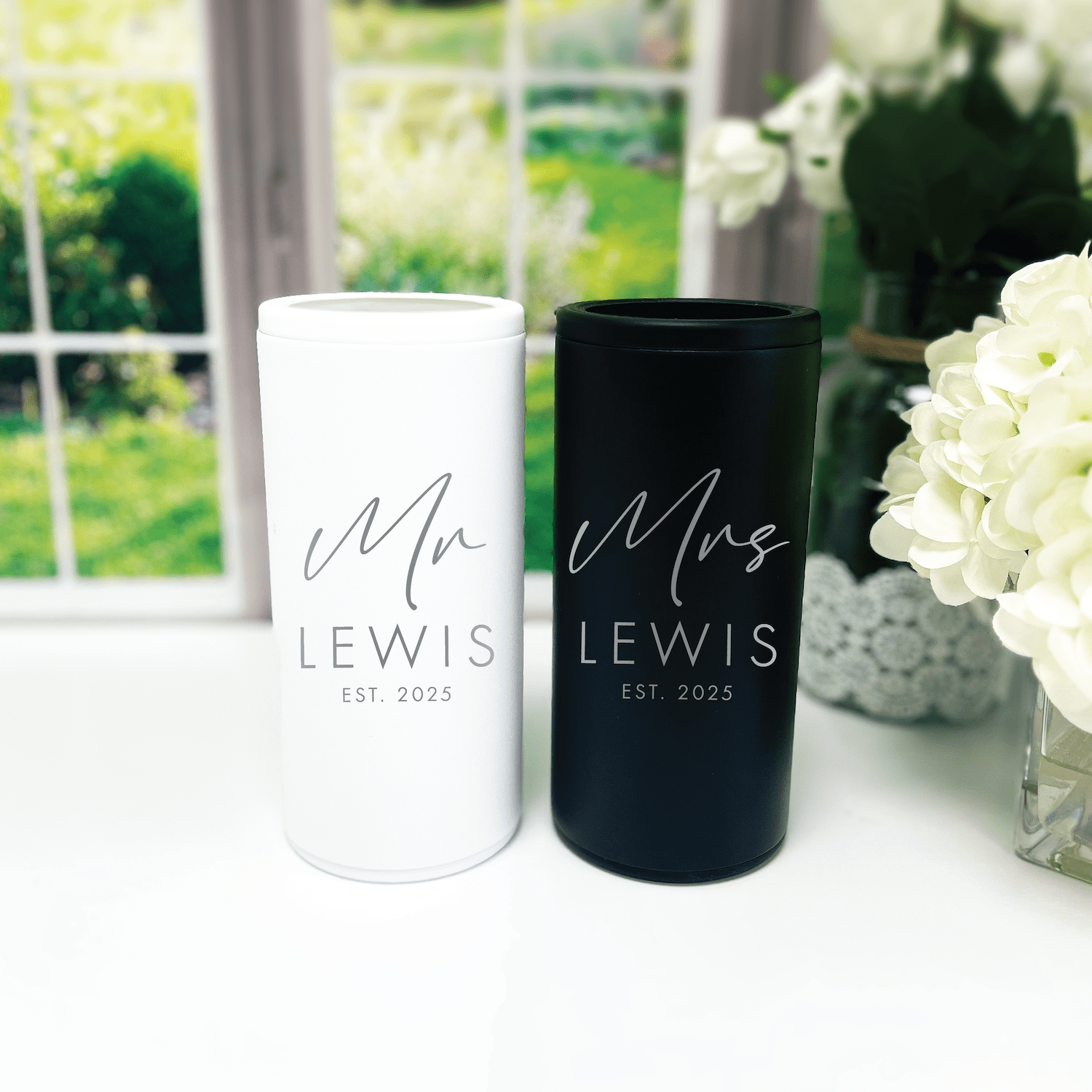
Coordinate fonts, colors, and motifs across the wedding suite (invitations, programs, table numbers) and physical decor. For example, a monogram or a small illustration (like a couple’s pet) can appear on the welcome sign, napkins, and cocktail cups. Rubi and Lib offers personalized napkins and cups that can be matched to custom signs for a unified look.
Should the wedding welcome sign include a hashtag?
Including a hashtag is optional and useful if the couple wants to collect guest photos online. Keep it small and unobtrusive to avoid cluttering the sign. Alternatively, place the hashtag on a separate, small card on the welcome table so the main sign remains clean and visually focused.
For couples seeking coordinated, personalized decor — from a statement wedding welcome sign to charming illustrated dog napkins — planning ahead and working with a vendor who understands cohesive design simplifies the process and elevates the guest experience. Thoughtful choices around material, wording, and display turn a simple sign into a memorable part of the celebration.

Written by Bethany Wysolmerski