Wedding Favors for Guests: Creative, Practical, and Personalized Ideas
A mason jar of lavender honey perched at each place setting can say more about a couple than a pricey centerpiece ever could. That small, thoughtful touch becomes a memory trigger: the scent of lavender during a summer afternoon, the label with the couple’s initials, the story told as guests walk away with something personal. Wedding favors for guests are those tiny moments of connection, an opportunity to thank people who traveled, supported, and celebrated alongside the couple.
Why Wedding Favors for Guests Still Matter
Guests remember experiences more than objects, but a favor can amplify that experience. A well-chosen favor does three things:
- Says thank you in a tangible way — a small token of appreciation for time and presence.
- Reinforces the wedding theme or the couple’s personality — whether that’s rustic, minimalist, colorful, or quirky.
- Becomes functional or memorable — something guests will actually use, display, or talk about afterward.
For couples who care about aesthetics and personalization, wedding favors for guests are more than checklist items. They’re an extension of the wedding’s design and a chance to inject personality. That’s why brands like Rubi and Lib specialize in personalized decor — turning essentials like napkins, cups, and signs into keepsakes that mix form and function.
Types of Wedding Favors for Guests
Not every favor fits every wedding. Below are major categories to consider, plus pros and cons to help couples choose what's best for their event.
1. Edible Favors
Edible favors are beloved because they’re practical and low-commitment. Most guests appreciate something they can enjoy rather than store.
- Popular choices: Mini jars of jam or honey, custom cookies, local chocolates, tea or coffee sachets, spice blends.
- Pros: Universally appealing, relatively affordable, easy to brand with labels.
- Cons: Dietary restrictions (gluten-free, nut allergies, vegan) require attention; perishability can be an issue.
2. Useful, Everyday Items
These favors aim to be functional so guests are likely to keep and use them.
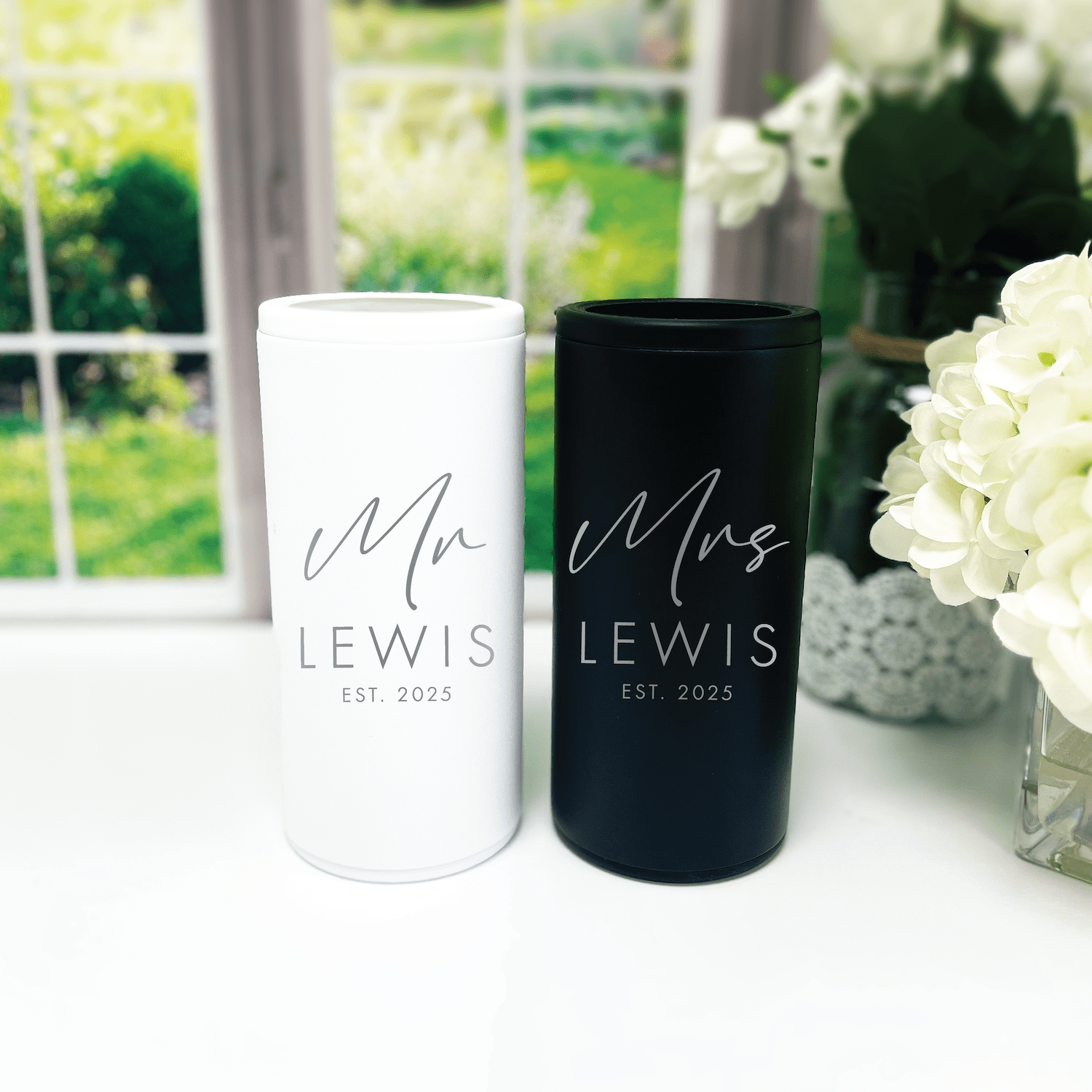
- Popular choices: Custom candles, reusable cups or tumblers, bottle openers, plantable seed packets, compact mirrors.
- Pros: Practical and eco-friendly options available; long lifespan.
- Cons: Can feel generic if not personalized; higher per-piece cost for quality items.
3. Keepsakes and Decorative Items
Keepsakes are chosen to evoke memory, often matching the wedding aesthetic.
- Popular choices: Mini prints, ornaments, engraved keychains, illustrated napkins, tiny framed photos.
- Pros: Very personal and memorable; great for unique themes.
- Cons: Not everyone wants extra decor; some items can be bulky to transport.
4. Experiential and Charity-Based Favors
Instead of physical items, some couples give experiences or donations.
- Popular choices: Donations to a chosen charity in each guest’s name, vouchers for local experiences, a QR code linking to a curated playlist or recipe book.
- Pros: No waste, meaningful, aligns with socially conscious values.
- Cons: Guests sometimes prefer something tangible to keep as a reminder.
5. Hybrid Favors
Combining a small physical token with an experience can be powerful. For example, a seed packet plus a link to a how-to planting video, or a small candle with a playlist QR code for “wedding evening vibes.”
Personalization: The Heart of Memorable Wedding Favors
Personalization elevates a favor from “nice” to “cherished.” It doesn’t need to be over-the-top; a small detail creates connection. Here are ways to personalize wedding favors for guests effectively:
Use Names, Dates, and Stories
Adding the couple’s names and wedding date is classic. For extra intimacy, include a one-line story or inside joke on the tag — just enough to make guests smile. For larger weddings, a simple monogram or emblem that appears across decor keeps everything cohesive.
Match Favors to the Venue or Season
Seasonal personalization feels thoughtful. Think cinnamon sachets for fall weddings, mini bottles of sunscreen for beach ceremonies, or cozy socks for winter celebrations. Venue-inspired favors—like locally made honey for a countryside barn or succulents for a desert setting—are also meaningful.
Reflect Hobbies, Pets, or Cultural Roots
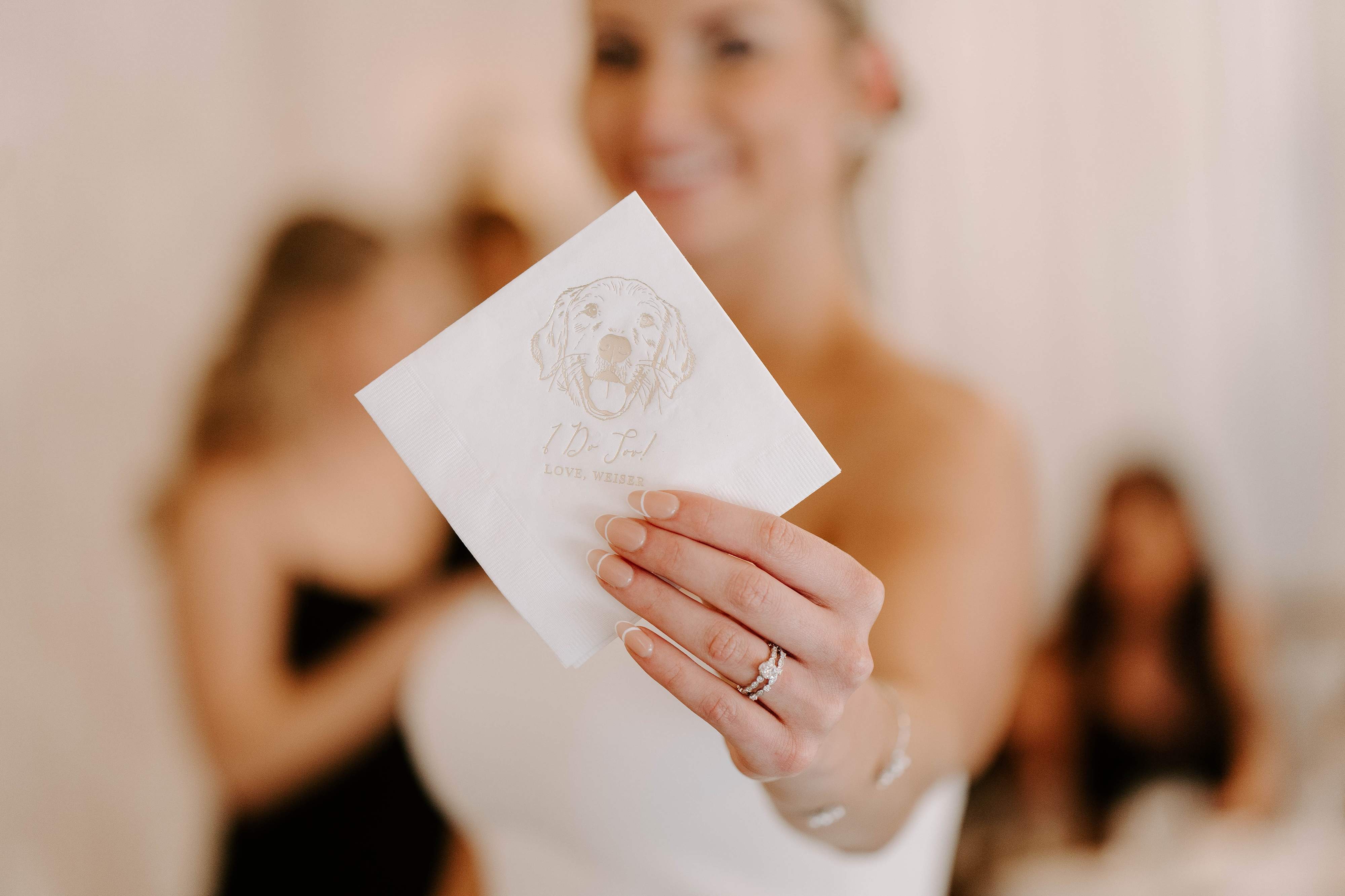
Couples often want to showcase their personalities. If they love books, a custom bookmark is perfect. If a pet is central to the couple’s life, consider illustrated favors featuring the dog — which is where Rubi and Lib’s illustrated dog napkins really shine. These napkins double as table decor and keepsakes guests will remember because they feel personal and whimsical.
Budgeting: Smart Ways to Keep Costs Down Without Sacrificing Style
Wedding favors for guests don’t have to break the bank. Thoughtful selection and clever presentation can make modest items feel luxe.
Budget Breakdown
Budget depends on guest count and desired quality. As a rule of thumb:
- Low budget: $1–$3 per guest — think DIY cookies, seed packets, or a small candy sack.
- Mid-range: $4–$10 per guest — custom-labeled jars, personalized napkins, or a branded cup.
- High-end: $10+ per guest — artisan goods, engraved keepsakes, or premium reusable drinkware.
Ways to Save
- Choose favors that double as decor — place them at each setting so they replace a decorative element.
- Buy in bulk or work with sellers who offer discounts for larger orders.
- Make one high-quality item and omit other extras — a single standout favor often impresses more than multiple cheap items.
- Partner with local artisans for unique but affordable items that also support the community.
DIY Versus Buying: Which Should Couples Choose?
Both options have merit. The deciding factors are time, skill level, and the number of guests.
When to DIY
- Small guest list (under 75).
- Hands-on couples who enjoy crafting.
- Projects that save money and aren’t too time-consuming (labeling jars, making simple candles, assembling tea sachets).
When to Buy
- Large guest lists where quality control is crucial.
- Complex or personalized items like custom-printed napkins or illustrated goods — these often require professional printing.
- Couples short on time or who want a polished, consistent look.
Brands that specialize in personalized decor, such as Rubi and Lib, can be especially helpful for couples who prefer buying but want that handmade feel. Their custom items — napkins, cups, and signs — bring cohesion to event design while offering personalization that feels bespoke.
Packaging and Presentation: Small Details, Big Impact
Presentation influences perception. A simple favor can feel upscale with the right packaging.
Packaging Ideas
- Burlap or muslin bags for rustic weddings.
- Clear cello with ribbon for edible favors; guests can see what they’re getting.
- Custom boxes with the couple’s emblem for a formal vibe.
- Mini crates or wooden tags for an artisanal touch.
Labeling and Tags
Tags are a small investment with a big return. Include the couple’s names, wedding date, and a short message like “Thanks for celebrating with us.” QR codes are practical if the couple prefers to direct guests to a digital message, a playlist, or a charity page.
Logistics: Ordering, Timing, and Quantity
Planning avoids last-minute stress. Consider these logistics for seamless favor execution.
Order Timelines
- Custom-printed items: order 8–12 weeks before the wedding to allow for proofs and revisions.
- Edible favors: prepare or order 2–4 weeks out, depending on perishability.
- DIY assembly: allow several weekends if the guest list is large.
How Many to Order?
Always order a few extras — at least 5–10% more than the guest count. Account for plus-ones, lost items during setup, and last-minute guests.
Storage and Transport
- Store perishables in a cool, dry place and keep them out of direct sunlight.
- Label boxes clearly for the wedding-day coordinator or venue staff.
- Have a dedicated table or station where favors are set up to avoid confusion and ensure presentation remains tidy.
Eco-Friendly and Sustainable Favor Ideas
Many couples care about sustainability and want wedding favors for guests that leave a positive footprint. Here are thoughtful, eco-conscious choices:
- Seed packets or small potted succulents that guests can take home and plant.
- Reusable items like stainless steel straws, beeswax wraps, or cloth napkins.
- Edible options sourced from local producers to reduce shipping emissions.
- Charitable donations in lieu of physical favors, paired with a small printed card explaining the cause.
Even packaging can be sustainable: use recyclable materials, avoid plastic, and choose biodegradable ribbons and tags.
Creative Themes and Matching Favor Ideas
When favors align with the wedding theme, the overall aesthetic feels more intentional. Below are theme-based suggestions:
Rustic Barn Wedding
- Mini jars of honey or jam with a twine tag.
- Seed packets tucked into wooden crates.
- Hand-stamped linen napkins that fit the natural aesthetic.
Modern Minimalist
- Sleek ceramic coasters with a simple monogram.
- High-quality reusable cups with subtle personalization.
- Small succulents in monochrome pots.
Beach or Destination Wedding
- Mini bottles of local rum or limoncello.
- Sunscreen tins with a custom label and a playful note.
- Custom-printed beach towels for smaller, intimate groups.
Pet-Friendly or Quirky Weddings
- Illustrated favors featuring the couple’s pet — for example, Rubi and Lib’s illustrated dog napkins that add personality to each place setting.
- Custom pet treat bags if many guests bring their animals.
- Fun enamel pins or illustrated prints that reflect the couple’s quirks.
How to Display Wedding Favors for Guests
Display affects how guests perceive favors. A thoughtful setup encourages guests to take them and makes photos more Instagram-friendly.
Display Tips
- Use a dedicated table near the reception entrance so guests see favors as they arrive or leave.
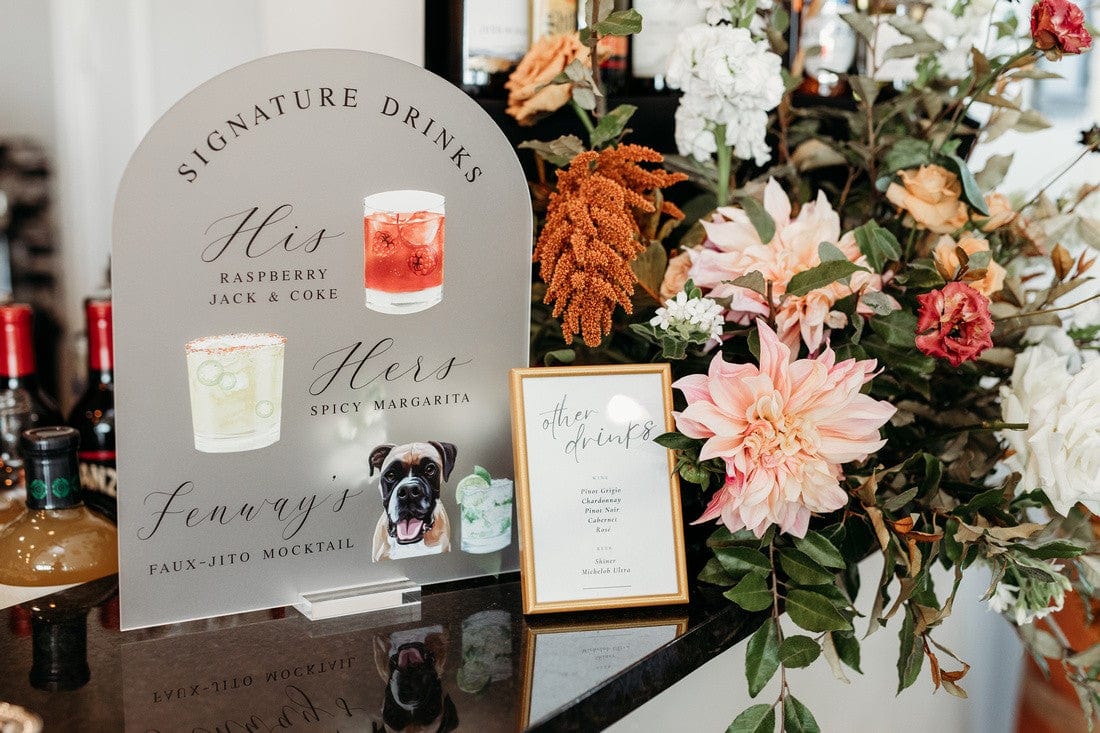
- Incorporate signage explaining the favor and any personalization choices.
- Make favors part of the table setting for intimate dinners—this reduces staffing needs and feels more personal.
- Group favors by dietary restrictions or variations and label them clearly.
Etiquette and Practical Considerations
Traditional rules still apply, but modern weddings are more flexible. Here are a few practical etiquette pointers to keep in mind when choosing wedding favors for guests:
- Favors are optional; they’re a nice gesture but never required.
- A small, well-thought-out favor trumps something cheap and impersonal.
- If offering alcohol or edibles, make sure to include alternative non-alcoholic options and label allergens.
- For destination weddings, consider travel-friendly favors—items that won’t add weight or bulk.
Real Examples and Inspiration
Practical examples help couples picture favors in context. Here are a few case studies to spark ideas:
Example 1: The Coffee-Loving Couple
They gave each guest a small bag of locally roasted coffee with a custom label reading “Bean There, Wed That.” Each label included brewing tips and a QR code linking to the couple’s favorite playlist. Presentation: a stack of crates and a vintage grinder created a charming coffee bar.
Example 2: The Dog-Loving Duo
Illustrated dog napkins featuring the couple’s rescue pup doubled as table decor. Guests appreciated the humor and charm, and many saved the napkins as keepsakes. Small dog biscuits were available for guests’ pets. Presentation: napkins folded into napkin rings with a small tag saying, “Thanks for joining our pack.”
Example 3: The Eco-Conscious Pair
Instead of physical favors, they donated to two environmental nonprofits and placed a small card at each place setting explaining the impact. For people who wanted a keepsake, they offered downloadable recipe cards from the couple’s family cookbook via QR code. Presentation: a simple card with a leaf motif that matched their invitations.
Working With Vendors: Tips to Get the Best Result
Whether couples are ordering custom napkins, cups, or signs, a clear vendor relationship will save headaches.
- Request samples for texture, color, and print quality—especially for items guests will touch like napkins or cups.
- Ask about proof rounds for custom text and illustration to ensure everything looks right before production.
- Confirm timelines in writing and build in buffer time for shipping delays.
- Check minimum order quantities and pricing tiers; sometimes higher tiers are cost-effective for large weddings.
Brands that specialize in personalized decor often provide mockups and coordinated collections so favors, napkins, cups, and signage all speak the same visual language. Rubi and Lib, for instance, offers custom-illustrated napkins and complementary decor items that help couples maintain a cohesive look while giving guests something memorable to take home.
Last-Minute Favor Ideas That Still Impress
When time is short, these ideas are quick to source and still feel curated:
- Custom-printed stickers on store-bought candy.
- Small jars of local honey or jam with hand-stamped tags.
- Printable DIY favor tags paired with simple treats like chocolate squares.
- Digital favors: an email after the wedding with a photo gallery, curated recipes, or a playlist—pair it with a small printed card at the table featuring the QR code.
Measuring Impact: What Makes a Favor “Successful”?
Success is subjective, but a few indicators show whether a favor resonated:
- Guests use or display the item after the wedding (photos on social media are a good sign).
- Guests compliment the favor or ask about where to buy it.
- The favor aligns with the couple’s values and the wedding’s aesthetic without causing logistical headaches.
Ultimately, the best wedding favors for guests are the ones that feel personal, add value, and reflect who the couple is.
Conclusion: Small Tokens, Big Memories
Wedding favors for guests are a small part of the wedding budget but a big opportunity to say thank you in a way that matches the day’s tone. Whether couples opt for edible treats, practical items, illustrated keepsakes, or experiential gifts, the key is intention. Thoughtful personalization—matching favors to the venue, the season, or the couple’s personality—turns simple objects into treasured reminders.
For couples who love cohesive design and custom details, integrating personalized items like custom napkins, cups, or signs can elevate both décor and favors. Brands such as Rubi and Lib focus on this kind of thoughtful personalization, offering illustrated and custom-printed products (including their popular illustrated dog napkins) that blend decoration with meaningful keepsakes. With a bit of planning and creativity, favors can become one of the most memorable pieces of a wedding day.
Frequently Asked Questions
How many wedding favors should couples order?
Order at least one per guest, plus 5–10% extra to account for unexpected guests, breakage, or setup errors. If favors are placed at each seat and some guests may not attend the reception, base the count on RSVP numbers rather than the full invite list.
Are favors expected at weddings?
Favors aren’t required, but they’re a nice gesture. Many modern couples skip favors in favor of experiences or charitable donations. If a favor is offered, small and thoughtful beats elaborate and wasteful.
What’s a good budget per guest for favors?
Budget depends on priorities. A practical range is $1–$10 per guest. Low-budget favors can be charming if well-presented. Mid-range gives more room for personalization and quality.
How can couples make favors eco-friendly?
Choose reusable or biodegradable items, source locally, minimize packaging, and consider donating to charity instead of physical gifts. Small plantable items and seed packets are both meaningful and sustainable.
Can wedding decor double as favors?
Yes. Items like personalized napkins, custom cups, illustrated signage, or place-setting keepsakes can serve as both décor and favors. This is a smart way to save money and ensure cohesiveness across the event’s look.

Written by Bethany Wysolmerski