Tasteful Wedding Favors for Guests: Ideas, Etiquette, and Personalization Tips
A small, well-chosen token can linger in a guest’s memory far longer than a floral centerpiece. When couples pick tasteful wedding favors for guests, they add a personal touch that complements the day’s style, honors relationships, and sometimes even doubles as part of the decor. This guide helps couples find favors that feel meaningful, useful, and beautiful—without breaking the budget or creating clutter.
Why Thoughtful Favors Matter
Favors are more than a checkbox on a long wedding to-do list. They say, “Thanks for being here,” and they can reinforce a couple’s aesthetic or theme. Tasteful wedding favors for guests are subtle, useful, or charming; they reflect personality and add cohesion to the event. For couples who care about design—like many of Rubi and Lib’s clients—favors can tie together color palettes, typography, and custom illustrations in ways that feel intentional and special.
Deciding What “Tasteful” Means
“Tasteful” looks different for every couple. Here are a few lenses to choose from:
- Practical: Something guests will use later—mini honey jars, seed packets, or a neatly packaged snack.
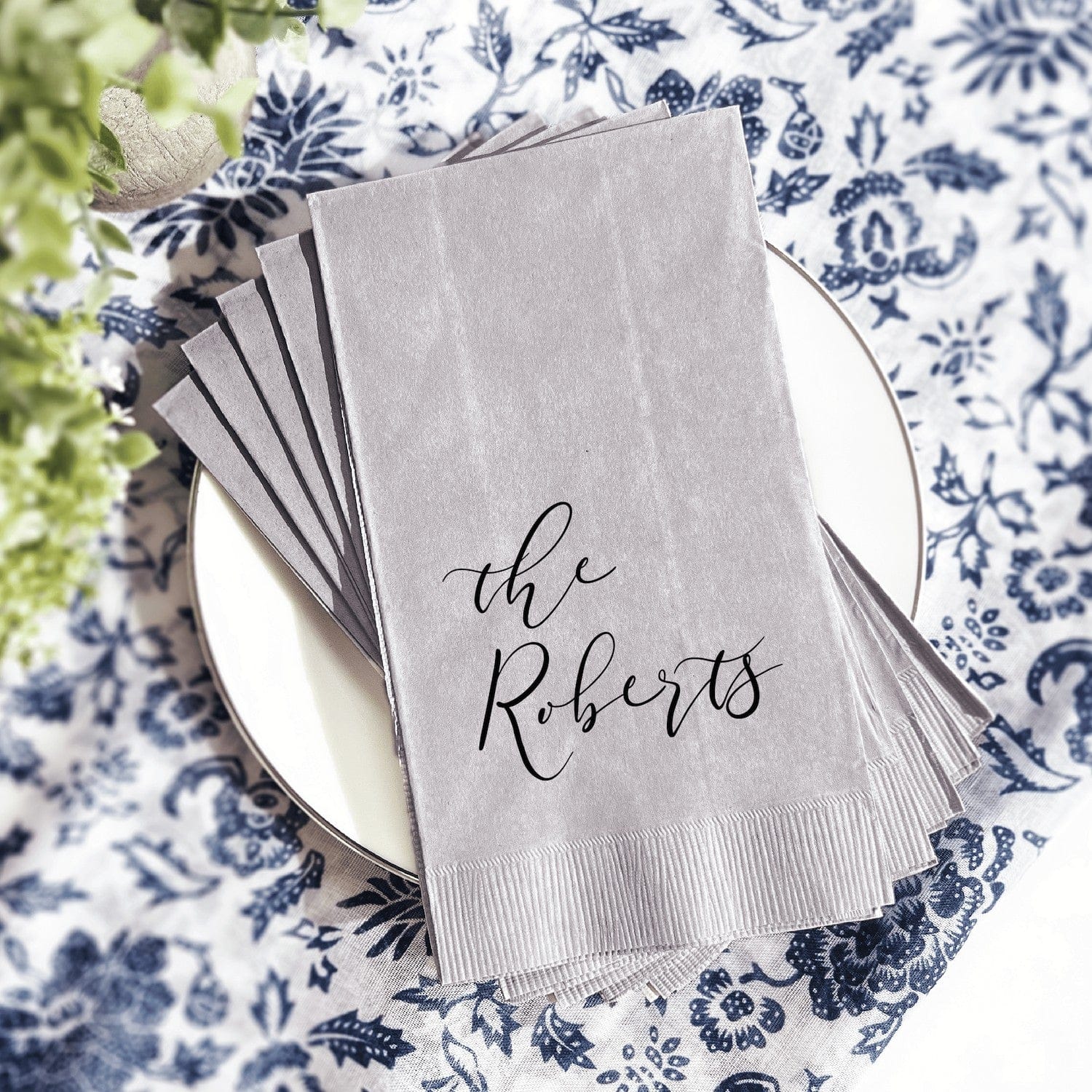
- Aesthetic: An object that matches the wedding’s visual language—think elegant candles, custom napkins, or engraved bottle openers.
- Experiential: A favor that encourages an experience—hot chocolate sachets for a winter wedding, or drink tokens for a late-night bar.
- Meaningful: A favor with a story—locally made goods, a charitable donation card, or an item connected to the couple’s heritage.
When couples pick a direction, choices become easier. A rustic barn wedding might lean into local jam jars and seed packs, while a minimalist city ceremony could opt for sleek personalized coasters or custom-illustrated napkins that double as keepsakes.
Classic and Timeless Favor Ideas
These options tend to be widely appreciated because they’re either useful or beautifully presented:
- Scented or Unscented Candles — Small votives or travel jars in elegant packaging. Choose neutral scents or offer unscented options to avoid overpowering dining aromas.
- Edible Treats — Chocolate truffles, macarons, honey jars, or locally made cookies. Wrap in wax paper with a ribbon and a tag for a chic look.
- Mini Succulents — Low maintenance and long-lasting. Add care instructions on a tiny tag.
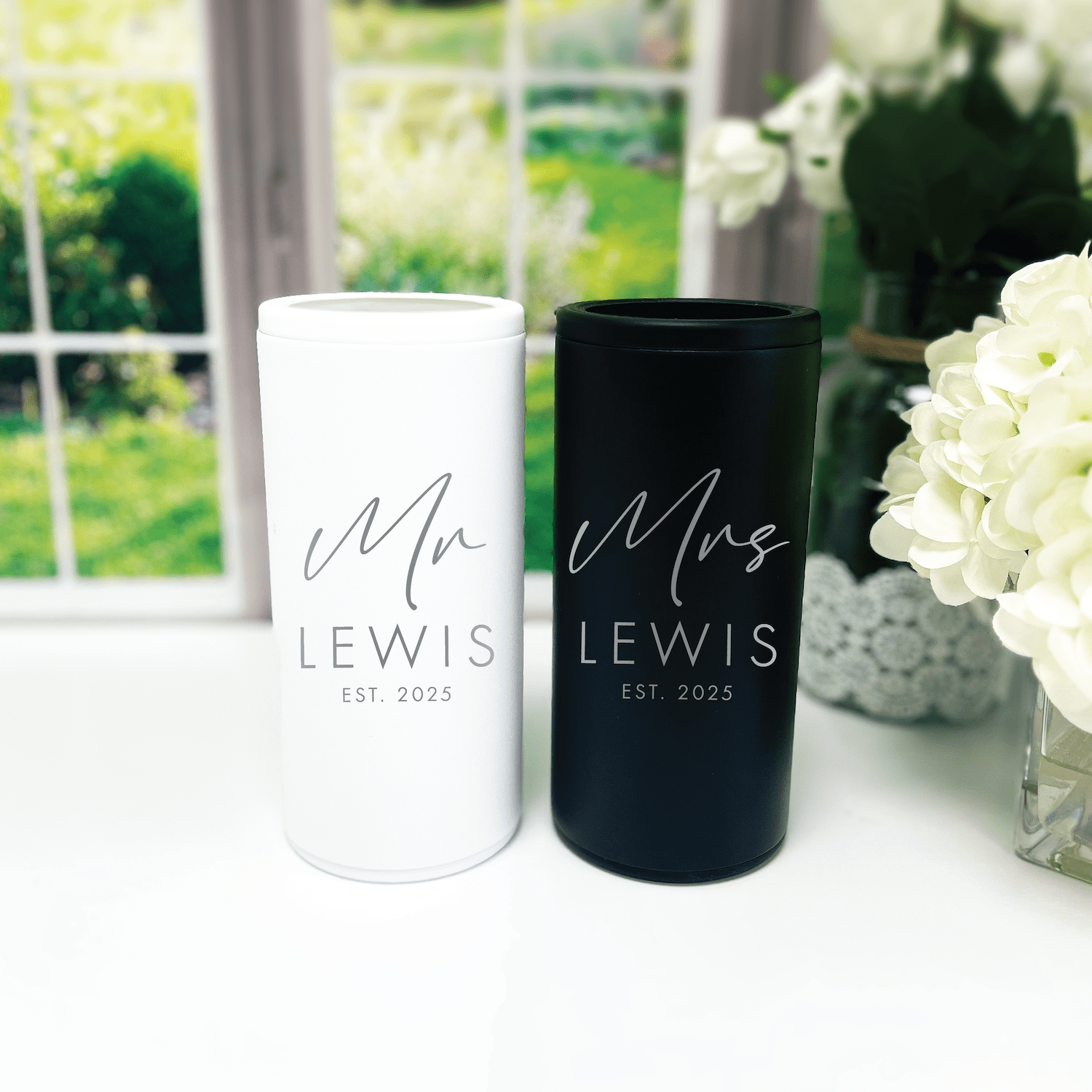
- Personalized Coasters or Bottle Openers — Practical, often displayed at home, and easy to personalize with a date or monogram.
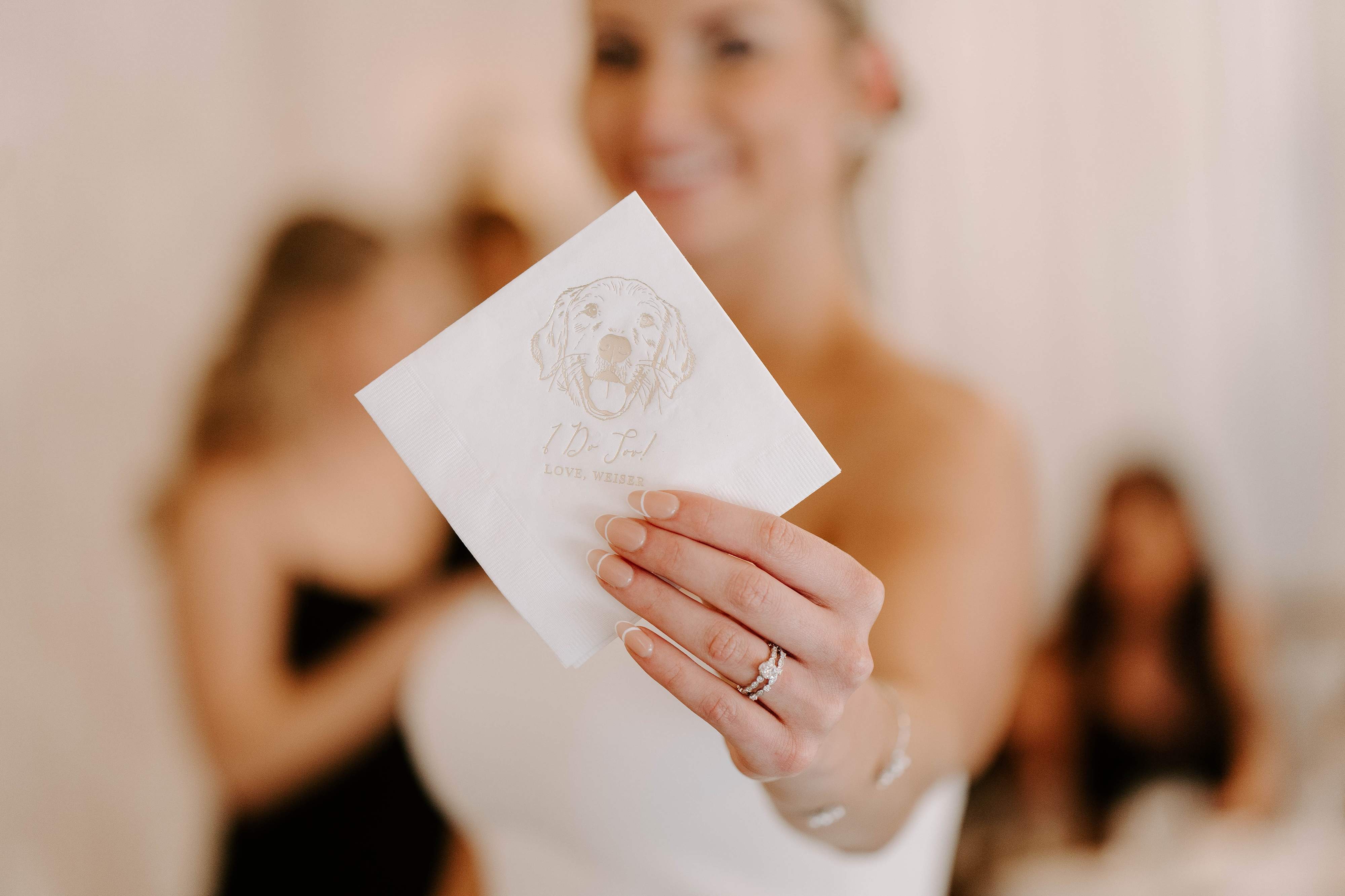
- Custom Napkins — Illustrated or monogrammed napkins are both decorative during the event and functional later. Rubi and Lib’s illustrated dog napkins are a perfect example of a favor that’s personal and playful while still feeling polished.
Unique Ideas That Feel Special
For couples wanting something less predictable, these thoughtful favors stand out without being gimmicky:
- Local Artisan Goods — Small-batch jam, spice blends, handmade soap, or a local chocolatier’s box. This supports local makers and gives guests a story.
- Custom Tea or Coffee Blends — Personalized labels with a message from the couple. Package in resealable kraft bags or glass vials.
- Mini Cocktail Kits — A small vial of bitters or mixer with a recipe card for the couple’s signature cocktail.
- Seed Packets — Flower or herb seeds with a note: “Plant these and watch love grow.” Earth-friendly and symbolic.
- Illustrated Items — Personalized artwork—like custom dog napkins, coasters, or mini prints—adds charm and reflects personality. These become keepsakes rather than throwaways.
Consumable vs. Non-Consumable: Choosing What Works
Consumable favors—food, drink, or bath items—are popular because they’re low-waste and usually appreciated. Non-consumable favors, though, can act as long-term mementos. The best choice depends on the couple’s values and the logistical realities of the wedding (venue rules, international guests, and so on).
- Consumable pros: Low clutter, minimal long-term waste, often cost-effective.
- Consumable cons: Allergy concerns, perishability, and sometimes limited shipping options.
- Non-consumable pros: Lasting keepsakes that guests can display or use.
- Non-consumable cons: Risk of being unused or creating clutter, higher per-item costs.
Personalization: How Much Is Too Much?
Personalization is one of the simplest ways to elevate a favor into something memorable. But there’s a balance between meaningful and excessive. Consider these levels:
- Minimal personalization: A small label with the couple’s names and wedding date—clean, tasteful, and timeless.
- Themed personalization: Items that reference the wedding theme or location—nautical bottle openers for a seaside wedding, illustrated dog napkins for couples who want to include their pets in the celebration.
- One-to-one personalization: Individualized notes or favors for each guest—heartfelt but time-consuming and usually best reserved for small weddings.
Rubi and Lib’s strength is helping couples with tasteful personalization that enhances décor. Their custom napkins and cups pair well with other favors, and their illustrated dog napkins have a playful yet refined look that fits both casual backyard celebrations and curated urban affairs.
Packaging and Presentation Matter
How a favor is presented often determines how it’s perceived. Thoughtful packaging can transform a modest item into something elegantly memorable.
Creative Placement Ideas
- At the place setting — A favor placed on the plate or beside the napkin feels intimate and personal.
- Favor table — A beautifully styled table near the entrance or exit allows guests to choose. Add labels and a decorative sign.
- Escort card integration — Use the favor as the escort card—attach a name tag to a small jar of jam or a plant pot.
- Welcome bags — Include one welcome bag favor per room or couple for multi-day events.
- Late-night favors — Hand out mini snacks or hangover kits as guests are leaving—a fun and practical touch.
Packaging Tips
- Use cohesive materials: kraft paper, linen ribbons, and neutral tags often look elegant and intentional.
- Label clearly: a short note or pulled-together tag can explain the item and its significance (e.g., “Made by a local chocolatier.”)
- Keep it practical: durable labels help the favor survive being carried through a reception.
- Think sustainable: recyclable boxes, compostable bags, or reusable containers reduce waste.
Favors That Double as Decor
One of the most efficient ways to be tasteful and budget-savvy is choosing favors that also serve a decorative purpose during the reception. These items enhance the table and then move home with the guest:
- Personalized Napkins — Printed napkins can tie into the tablescape and act as a useful keepsake. Rubi and Lib’s customized napkins—especially those illustrated with the couple’s dog—work beautifully as both décor and a fond reminder of the day.
- Custom Cups or Glassware — Use them during the bar service and let guests take them at the end of the night as a memento.
- Mini Flower Bouquets — Small clusters placed at each setting add color to tables and are easy to carry home.
- Favor Boxes That Match Place Settings — When the boxes are part of the table styling, they feel intentional instead of an afterthought.
Eco-Friendly and Zero-Waste Favor Options
For couples who prioritize sustainability, plenty of tasteful wedding favors for guests minimize environmental impact without sacrificing style.
- Seed paper — Plantable paper that grows wildflowers or herbs.
- Reusable items — Stainless steel straws, beeswax wraps, or cloth napkins (personalized cloth napkins are a luxe option).
- Edible local products — Locally made honey or jam reduces transportation emissions and supports the community.
- Donation cards — A small card explaining a charitable donation made in guests’ honor can be a meaningful, low-impact gift.
Budgeting for Favors
Favors don’t need to be extravagant to be tasteful. Here’s a quick guide to budgeting:
- $1–$3 per guest: Minimal but charming — think small chocolates, seed packets, or personalized tags on store-bought items.
- $4–$7 per guest: Mid-range options — mini candles, artisan cookies, or small succulents.
- $8–$15+ per guest: Higher-end favors — custom-printed napkins, engraved items, or artisan kits.
Couples can make a big visual impact by choosing fewer, higher-quality items for each table rather than buying a large quantity of cheap trinkets. It’s often smarter to invest in one well-designed favor that complements the wedding’s aesthetic.
DIY vs. Professional Vendors
DIY projects can save money and add a personal touch, but they’re time-consuming. Working with a professional vendor—especially for custom items like Rubi and Lib’s personalized napkins, cups, and signs—saves time and ensures a polished result.
When to DIY
- Small weddings where handcrafted items feel intimate
- Couples who enjoy crafting and have time before the wedding
- Simple favors that require minimal assembly, like tying a ribbon around a jar
When to Use a Vendor
- Large guest lists where consistency matters
- Custom printing and illustration (e.g., illustrated dog napkins)
- When time or skill constraints make DIY stressful
Many couples combine both approaches—for example, ordering custom napkins and wrapping them in DIY boxes with a handwritten tag.
Presentation Examples and Wording Ideas
Short phrases on tags can elevate the favor. Here are a few tasteful examples:
- “With love, [Name] & [Name] — 06.12.26”
- “A little something sweet from our favorite bakery”
- “Plant these seeds and watch something beautiful grow”
- “Made locally with love”
- “Thanks for celebrating with us—enjoy a late-night snack!”
For custom items like Rubi and Lib’s napkins, simple typography and a small illustration (a monogram, date, or pet portrait) often read as more refined than a long message.
Allergy, Dietary, and Venue Considerations
Food favors are charming—but they require attention to detail. Always consider:
- Labeling allergens and ingredients clearly.
- Checking venue rules about food brought in or passed out.
- Avoiding favors that rely on refrigeration unless storage is available.
- Providing a non-food alternative for guests with dietary restrictions.
Non-food favors avoid many of these complications, though they come with the risk of being left behind. A happy compromise is a practical, non-perishable favor that also feels personal—like a custom napkin, candle, or illustrated keepsake.
How to Coordinate Favors With the Wedding Timeline
Timing can affect how favors are received and stored. Here’s a short timeline to plan around:
- Early Decisions (6–9 months out) — Choose a favor concept and confirm the budget.
- Selection and Vendor Booking (4–6 months out) — Order custom items and request samples if possible.
- Assembly and Packaging (2–4 weeks out) — If items need labeling or wrapping, plan an assembly day or enlist help.
- Delivery and Storage (1–2 weeks out) — Ensure the venue can store favors safely until the event.
- On-the-Day Setup — Assign a trusted person (wedding planner, friend, or family member) to place favors on settings or set up the favor table.
Creative Display and Distribution Strategies
How favors are distributed can also be part of the guest experience:
- Escort Card + Favor Combo — Guests find their place and take a favor at the same time.
- DIY Favor Station — Guests can build a small kit (tea selections, cookie choices) adding an interactive element.
- Host the favor as part of a photo moment — A small station where guests pick up a favor and pose by a custom sign—great for social sharing.
- Late-night handout — Pony up late-night snacks (mini tacos, bags of popcorn, or mints) as people leave—practical and appreciated.
Case Studies: Real-World Examples
Couples who focus on cohesion often have the best results. Here are two sample scenarios:
Case Study 1: City Loft Wedding
A couple wanted modern, minimal favors that matched a monochrome, art-gallery vibe. They ordered custom-printed coasters and matching napkins with a small line illustration of their neighborhood coffee shop. During the reception, the items served as table decor and later went home with guests. The coasters were functional and the napkins doubled as unique keepsakes, especially since they featured a small illustrated motif the couple loved.
Case Study 2: Cozy Backyard Ceremony
Another couple celebrated in a backyard with a brunch-style brunch reception. They partnered with a local jam maker for small jars labeled with the couple’s monogram and date. Each jar was placed at the setting with a handwritten note about the jam’s provenance. The favors reinforced the communal, homey vibe of the day and supported a local vendor.
Both examples demonstrate that favors that harmonize with the wedding’s overall aesthetic feel more thoughtful and less like add-ons.
Common Mistakes to Avoid
Some pitfalls come up frequently. Avoid these to keep favors tasteful:
- Overcomplicating packaging — Too many layers of plastic or boxes can feel cluttered and wasteful.
- Choosing purely novelty items — Gag gifts or cheap trinkets often end up in a drawer or garbage.
- Ignoring logistics — Fragile favors that require special handling or favors that can’t travel well with guests create headaches.
- Not testing samples — Order a sample of any custom item to ensure colors, sizes, and prints look as expected.
Working With Vendors: Questions to Ask
When buying favors from a maker or boutique, ask:
- What are the minimum order quantities and lead times?
- Can they provide samples or mockups?
- Are there bulk discounts, and what’s the total cost including shipping?
- What materials and inks are used (important for sustainability and durability)?
- Do they offer assembly or labeling services?
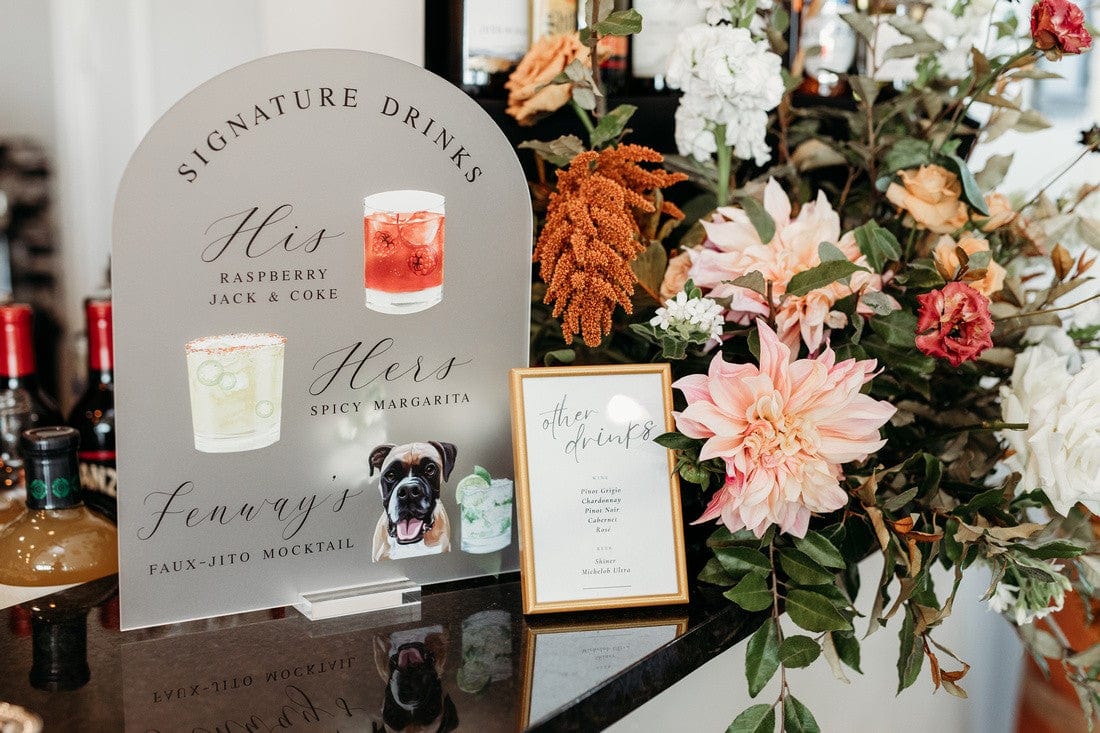
Vendors who specialize in weddings—like Rubi and Lib—often handle custom printing and can advise about styles that photograph well and hold up during a reception. They can also coordinate colors and designs that match signage, napkins, and cups for a unified look.
Final Touches: Adding Personality Without Overdoing It
Small details can amplify a favor’s impact. Consider a handwritten note in the couple’s handwriting, a little story card explaining the item’s significance, or an illustration that mirrors the wedding invitations. Personal touches should feel effortless and authentically connected to the couple’s story.
For instance, a couple who loves dogs might choose Rubi and Lib’s illustrated dog napkins as part of the table setting. Pairing those napkins with a tiny jar of locally made honey and a tag that reads, “Thanks for celebrating with our pack!” makes the favor cohesive and memorable without being over the top.
Where to Start: A Simple Checklist
- Decide the tone: practical, aesthetic, experiential, or meaningful.
- Set a per-guest budget.
- Choose between edible and non-edible options, considering allergies and venue rules.
- Pick a vendor or plan a DIY approach and order samples.
- Plan packaging and the placement strategy (place setting, favor table, or escort card hybrid).
- Schedule assembly and assign the day-of setup to a trusted person.
Conclusion
Tasteful wedding favors for guests are about intention more than expense. Whether a couple opts for elegant custom napkins, locally made honey, or a small plant, the best favors feel like an extension of the couple’s personality and the wedding’s design. Thoughtful packaging, clear labeling, and a small personal note make a meaningful impression. For those who want custom, well-designed items that blend into the wedding aesthetic, vendors like Rubi and Lib offer personalized napkins, cups, and signs that elevate both the table and the guest experience—especially when couples want something unique like illustrated dog napkins that double as keepsakes.
With a bit of planning and a focus on quality over quantity, couples can give favors that guests actually love and use—tokens that keep the memory of the celebration alive long after the last dance.
Frequently Asked Questions
How many favors should a couple order?
Order one favor per attending guest or per couple, depending on the type of favor and whether guests are likely to share. For place-setting items, count seats. If using a favor table, plan for a slightly higher number in case of unexpected attendees.
Are edible favors appropriate for destination weddings?
Edible favors can be tricky for destination weddings due to customs, perishability, and luggage limits. Consider non-perishable, packaged treats or favors that double as decor. Alternatively, give favors at the rehearsal dinner or a local welcome event where handling is easier.
How far in advance should custom favors be ordered?
For custom-printed items, order at least 6–8 weeks before the wedding to allow for production and any necessary revisions. For items with longer lead times (handmade goods or seasonal items), give vendors 3–6 months notice.
What’s a tasteful low-budget favor idea?
Seed packets, small honey sticks, personalized cookies, or a printed photo card are affordable yet charming options. Focus on packaging and presentation to make inexpensive items feel curated.
How can couples make favors feel less like clutter?
Choose favors that are useful or consumable, or pick keepsakes that clearly reflect the couple’s personality so guests want to keep them. Thoughtful packaging and placing favors where guests can take them easily (like at the exit or as part of the place setting) also helps ensure they’re appreciated rather than discarded.

Written by Bethany Wysolmerski