Dog Ring Bearer Guide: Tips for Including Your Pup in the Ceremony

Everything You Need to Know About Having Your Dog Walk Down the Aisle
Picture this: your wedding ceremony is about to begin, guests are seated, the music swells, and down the aisle comes your dog—dressed to the nines, carrying your wedding rings, stealing hearts with every step. It's a moment many couples dream about, and with the right preparation, it can absolutely become reality.
Having your dog as a ring bearer is one of the most meaningful ways to include them in your wedding ceremony. It honors their place in your family while creating a memorable moment that guests will talk about for years. But let's be honest: it also requires careful planning, realistic expectations, and backup plans for when your furry friend decides to improvise their role.
Table of Contents
- Is Your Dog Ready to Be a Ring Bearer?
- Training Timeline: Preparing Your Pup
- What Should Your Dog Wear?
- Keeping the Rings Safe
- Who Should Walk Your Dog Down the Aisle?
- Day-of-Ceremony Logistics
- Backup Plans for Nervous or Unpredictable Dogs
- Maximizing Photo Opportunities
- What Happens After the Ceremony?
- Alternative Ceremony Roles for Dogs

Is Your Dog Ready to Be a Ring Bearer?
Before you commit to having your dog walk down the aisle, honestly assess whether they're suited for the role. Not every dog thrives in the spotlight, and that's completely okay. The goal is celebrating your pet in a way that's comfortable for them, not creating stress for the sake of a photo opportunity.
Personality Assessment
The ideal ring bearer dog is calm around crowds, comfortable with strangers, and able to focus despite distractions. They should be relatively well-trained—responding to basic commands like "come," "stay," and "heel"—and not overly excitable or anxious in new environments. If your dog gets overwhelmed at the dog park or barks constantly when visitors arrive, the ceremony environment might be too much.
Consider how your dog handles noise and activity. Wedding ceremonies involve music, movement, cameras clicking, and dozens of people watching intently. Dogs sensitive to sound or who startle easily may find this terrifying rather than fun. Similarly, dogs who love people so much they can't resist greeting every single guest might have trouble making it down the aisle without multiple detours.
Age and Health Considerations
Puppies under a year old typically lack the focus and training needed for reliable ring bearer duties. They're adorable but unpredictable—one moment they're trotting obediently, the next they've spotted a bird or decided to chew someone's shoe. If your dog is very young, consider waiting until they mature or choosing a less demanding role for them.
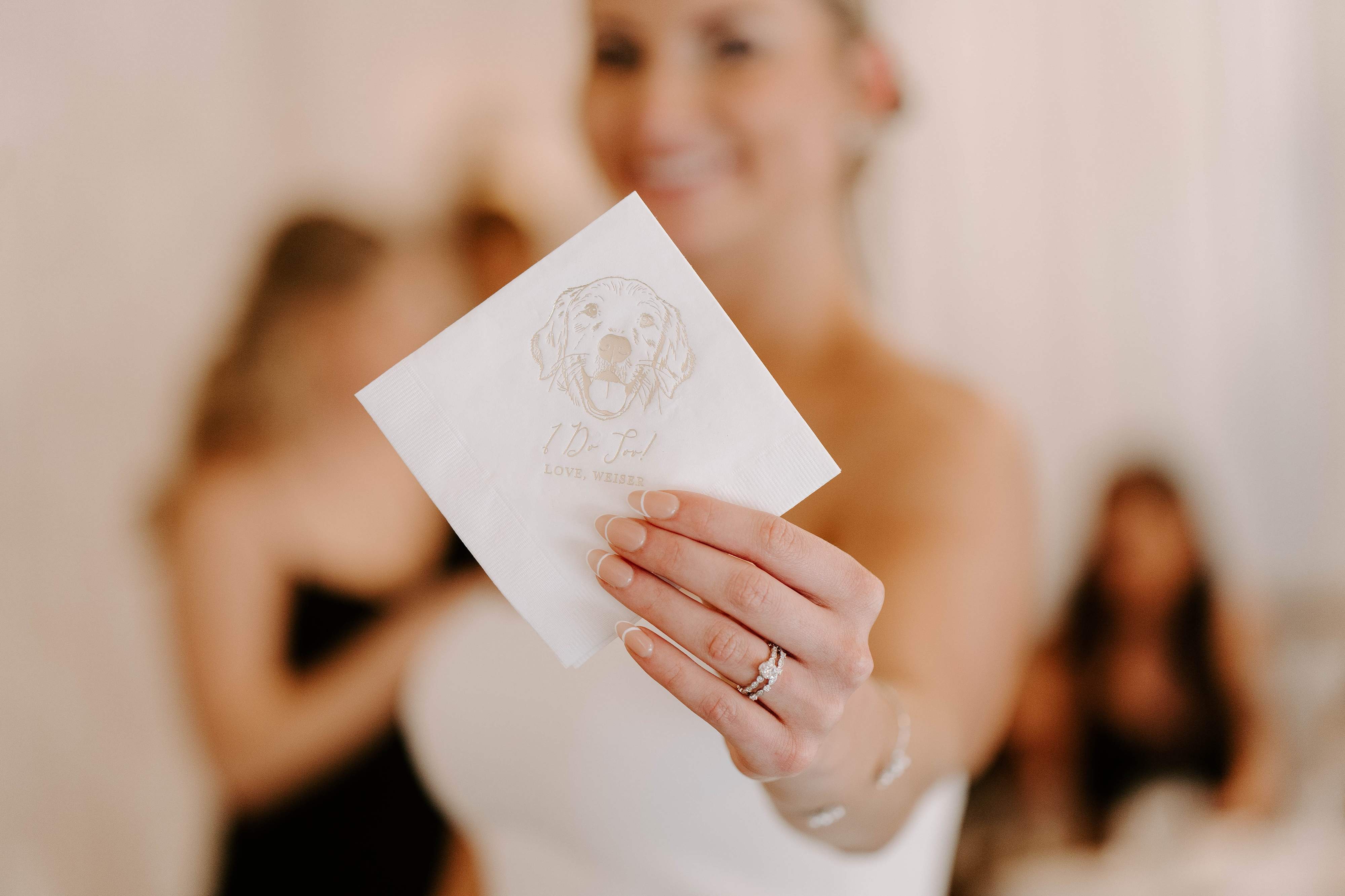
Senior dogs and those with mobility issues also deserve special consideration. If your elderly dog struggles with long walks or has arthritis, asking them to navigate an aisle (potentially in uncomfortable attire) may be unkind. These beloved companions can still be honored beautifully through custom napkins featuring their portrait or other décor options that celebrate them without physical demands.
Previous Experience with Events
Has your dog attended gatherings, parties, or other events? Dogs with positive experiences in stimulating environments generally adapt better to wedding ceremonies. If your pup has successfully navigated birthday parties, family reunions, or outdoor festivals without becoming overwhelmed, they're more likely to handle ceremony responsibilities well.
Conversely, if your dog's only social experience is quiet home life or controlled walks in familiar neighborhoods, a wedding ceremony might be a jarring introduction to chaos. Consider hosting a small practice gathering—invite friends over, play music, have people seated while your dog practices walking through the group. Their response will tell you a lot about their readiness.
The Honest Question: Is This for Them or for You?
This might be the most important consideration: are you planning a ring bearer role because your dog would genuinely enjoy it, or because you want the photo? There's no judgment either way, but being honest about your motivation helps you plan appropriately. If the answer is "mostly for the photo," consider having your dog appear briefly for pictures rather than participating in the full ceremony. If your dog truly loves being the center of attention, then by all means, let them shine.
Training Timeline: Preparing Your Pup
Even naturally calm, well-behaved dogs benefit from specific training before their ring bearer debut. The more preparation you invest, the more likely ceremony day goes smoothly.
3-6 Months Before: Foundation Skills
Start with basic obedience if your dog isn't already solid on commands. "Come," "stay," "heel," and "leave it" are essential. Practice in various environments—your home, friends' yards, parks—so your dog learns to respond regardless of setting. Use high-value treats (small pieces of chicken, cheese, or whatever your dog finds irresistible) to reward successful responses.
Introduce the concept of walking on-leash beside someone other than you. Many dogs are so bonded to their owners that walking with anyone else feels strange. Practice having different friends and family members walk your dog, rewarding calm, focused behavior. This prepares them for ceremony day when someone else will likely escort them down the aisle.
2-3 Months Before: Simulated Practice
Create practice scenarios that mimic ceremony conditions. Set up chairs in your yard or living room as if creating an aisle. Have friends sit in them. Play music. Practice having someone walk your dog from one end to the other while you wait at the opposite end calling them. Gradually increase distractions—people talking, moving, taking photos—to build your dog's tolerance.
If possible, visit your wedding venue during this period. Let your dog explore the space, walk the aisle route, and get comfortable with the environment. Many venues allow this during non-event times. Familiarity reduces stress significantly, making your dog more likely to cooperate on the actual day.
1 Month Before: Outfit Introduction
Whatever your dog will wear needs to be introduced gradually. Dogs who've never worn anything might initially find attire confusing or uncomfortable. Start by having them wear the outfit for short periods at home—just five minutes at first, gradually extending duration. Always pair wearing the outfit with positive experiences like treats, play, or walks.
Watch for signs of distress: excessive scratching, trying to remove the outfit, freezing and refusing to move, or appearing anxious. If your dog never adjusts to wearing attire, that's valuable information. You can have them participate without clothing, or choose a minimal option like a simple bandana instead of a full tuxedo harness.
Week Before: Final Rehearsals
If your venue allows, attend your ceremony rehearsal with your dog. Practice the exact sequence: where they start, who walks them, where they go at the end. Keep sessions short and positive—10-15 minutes maximum. You want your dog to associate the venue with good experiences, not exhaustion from over-practicing.
Consider how your dog will be managed before their moment. Will they wait in a separate room? In someone's car? With a pet sitter nearby? Practice this waiting period too. Some dogs do fine waiting patiently; others become increasingly anxious when separated from their person. Understanding your dog's needs here prevents surprises on wedding day.

What Should Your Dog Wear?
Dog wedding attire has become increasingly sophisticated, with options ranging from simple bandanas to elaborate custom tuxedos. The key is balancing aesthetics with your dog's comfort and safety.
Classic Bow Tie or Bandana
For many dogs, a simple bow tie attached to their collar or a custom bandana is perfect. These options are lightweight, non-restrictive, and easy to put on right before the ceremony. Bow ties work especially well for formal weddings, coordinating with groomsmen attire. Bandanas offer more design flexibility—you can choose colors matching your palette or even have them custom-printed with your wedding date or a sweet phrase.
The advantage of these minimal options is that most dogs tolerate them easily, even if they've never worn accessories before. They're also less likely to shift, bunch, or cause discomfort during the walk down the aisle. For photos, they provide elegant style without overwhelming your dog's natural appearance.
Tuxedo Harnesses and Formal Wear
Tuxedo-style harnesses create an undeniably adorable formal look. These typically feature a harness structure (safer than collar-only attachment) designed to look like a tuxedo jacket, complete with faux lapels, buttons, and sometimes even a pocket square. They're photo-ready and clearly signal your dog's special role.
The downside is that they're more substantial than simple accessories. Some dogs find harnesses restrictive or uncomfortable, especially if they're not accustomed to wearing them. If you choose this route, definitely invest in the practice period mentioned earlier. Also ensure proper fit—harnesses that are too tight restrict movement and breathing, while those too loose can shift awkwardly or even slip off.
Floral Collars for a Softer Look
For romantic, garden, or bohemian weddings, floral collars offer a beautiful alternative to traditional formal wear. These feature fresh or artificial flowers attached to a collar base, creating a natural, whimsical aesthetic. They work particularly well for female dogs or for couples who prefer organic, nature-inspired details.
Fresh floral collars need to be assembled close to ceremony time to ensure flowers look their best. Work with your florist to create something that won't wilt quickly and doesn't include flowers toxic to dogs (avoid lilies, certain roses, and some other common blooms). Artificial flowers eliminate wilting concerns while still providing lovely visual impact.
Custom Details and Personalization
Many couples add personalized touches to their dog's attire. Custom bandanas might feature text like "Here Comes My Mom" or "My Humans Are Getting Married." Some attach small signs to harnesses saying "Get Ready to Fetch Forever" or similar playful messages. A small basket or pillow attached to the collar or harness can hold the (fake) rings.
When adding customization, keep weight and balance in mind. Heavy signs or large baskets can throw off your dog's natural movement or become annoying mid-walk. If you want your dog carrying something, practice extensively beforehand to ensure they're comfortable with the added weight and awkwardness.
Weather Considerations
Outdoor ceremonies require weather-appropriate attire. Light-colored, breathable fabrics prevent overheating during summer weddings. For winter ceremonies, consider whether your dog needs a warmer layer—some short-haired breeds genuinely need protection from cold, while heavily-furred dogs might overheat in any outfit regardless of outdoor temperature.
Rain contingencies are worth considering too. If weather looks questionable, have a backup plan that doesn't involve your dog standing in rain wearing a soaked tuxedo. Perhaps they appear briefly under an umbrella for photos but don't participate in the outdoor ceremony itself.
Keeping the Rings Safe
Here's the thing about actual wedding rings and dogs: they should not mix. The risk of your dog chewing, swallowing, or losing your expensive jewelry is simply too high. Every successful dog ring bearer uses fake rings or an empty ring box.
The Fake Ring Strategy
Purchase inexpensive replica rings or use placeholder rings specifically for your dog to carry. These can be attached to a small pillow, placed in a decorative box, or tied with ribbon to your dog's collar or harness. From a distance (which is where all your guests will be), they look completely legitimate. Your actual rings stay safe with your best man, maid of honor, or officiant.
This approach eliminates any possibility of disaster while still creating the visual of your dog delivering the rings. Most guests never realize the rings aren't real, and those who do understand completely. It's standard practice in the pet-wedding industry precisely because it prevents heartbreak.
Attachment Methods
How you attach the fake rings depends on your dog's attire and walking style. Small pillows with rings tied on can be secured to a harness or carried in a basket. Some couples use a decorative box that attaches to the dog's collar. Others simply tie a ribbon with rings onto the harness or collar itself.
Whatever method you choose, ensure it's secure enough not to fall off but not so elaborate that it bothers your dog. Test the setup during practice walks—if your dog constantly tries to scratch at it, shake it off, or stops to investigate it, the attachment method needs adjustment.
Explaining to Guests
You don't need to announce that your dog is carrying fake rings, but you might mention it to your wedding party so they're prepared. Your best man or maid of honor should have the real rings ready to provide to the officiant at the appropriate moment. This handoff can happen discreetly while attention is on your dog making their way down the aisle.
Who Should Walk Your Dog Down the Aisle?
Deciding who escorts your dog is more important than it might initially seem. The right person makes the difference between a smooth, sweet moment and a stressful struggle.
The Case for a Family Member or Friend
Many couples ask a trusted family member or friend—someone the dog knows well and feels comfortable with—to handle ring bearer duties. This person should be someone your dog naturally listens to and who has experience with your pet. They should also be someone you trust to stay calm if things don't go perfectly, gently guiding your dog without creating a scene.
Ideally, this person won't have other significant ceremony responsibilities. You don't want your maid of honor or best man trying to manage your dog while also holding bouquets, straightening trains, or preparing to give toasts. A designated "dog handler" can focus entirely on making your pup's moment successful.
Hiring a Professional Pet Handler
Professional pet handlers or pet attendants are increasingly common at weddings. These individuals specialize in managing animals at events, understanding dog behavior, and smoothly executing pet participation. They typically arrive a bit before ceremony time, introduce themselves to your dog, and handle everything from there.
The advantage is that professionals have experience with unpredictable situations. If your dog freezes halfway down the aisle, starts barking, or decides to investigate interesting smells in the front row, a professional knows how to gently redirect without creating disruption. They also free your family and friends to fully experience the ceremony without stress.
The "Call from the Front" Technique
Some couples have the dog handler begin the walk from the back of the aisle while the bride, groom, or another familiar person calls the dog from the front. Dogs highly motivated by their person often trot eagerly toward that familiar voice, making the walk appear more natural and enthusiastic.
This technique requires practice so your dog understands the expectation. During rehearsals, practice having the handler release your dog partway while you call them the rest of the way. Reward heavily when they reach you. By wedding day, this should feel like a fun game your dog is excited to play.
Off-Leash vs. On-Leash
The eternal question: should your dog walk down the aisle off-leash or on-leash? The answer depends entirely on your dog's training level and the ceremony setting. Off-leash looks more elegant and independent in photos, but it requires rock-solid recall training and a dog who won't be distracted by guests, sounds, or movement.
On-leash is the safer choice for most dogs. You can use a thin, elegant leash that won't dominate photos, or your handler can remove the leash right before walking down the aisle if your dog is reliable for those 30-60 feet. Even well-trained dogs can surprise you in high-stimulation environments, so leashes provide backup security without ruining the aesthetic.

Day-of-Ceremony Logistics
Even with perfect planning, ceremony day requires careful management to ensure your dog's participation goes smoothly. The details matter enormously.
Pre-Ceremony Timeline
Plan your dog's day carefully. They shouldn't arrive at the venue hours before the ceremony, sitting anxiously while you're getting ready. Instead, have them arrive 30-45 minutes before go-time—long enough to acclimate but not so long they're stressed or exhausted.
Before arrival, make sure your dog has had adequate exercise. A tired dog is a well-behaved dog. A long morning walk or play session burns excess energy, making your pup calmer during the ceremony. Similarly, ensure they've had bathroom breaks immediately before arriving at the venue. Accidents during the ceremony are embarrassing for everyone.
Designated Waiting Area
Your dog needs a comfortable, quiet place to wait before their moment. This might be a separate room, someone's car (weather permitting), or a calm corner away from main activity. Provide water, a familiar blanket or bed, and perhaps a safe toy. Assign someone to stay with your dog so they're not alone and anxious.
Avoid having your dog in the room where you're getting ready unless you're certain they won't interfere with hair, makeup, or attire. Enthusiastic dogs have been known to put muddy paws on white dresses, knock over makeup, or become tangled in veils. Love them dearly, but protect your getting-ready process by keeping them nearby but separate.
The Five Minutes Before
Right before your dog's entrance, have the handler take them on a quick walk—a final bathroom opportunity and a chance to burn any last-minute jitters. Put on their outfit if you haven't already. Attach any props (the fake rings, signs, etc.). Give them a high-value treat and lots of positive reinforcement.
Ensure the ceremony site is ready: music queued, guests settled, and everyone who needs to know what's happening is informed. Your officiant should be aware a dog is walking down the aisle so they're not surprised. Photographers should be positioned to capture the moment. Once everything is set, take a breath and trust your preparation.
Managing the Walk
When it's time, the handler and your dog begin their walk. Guests will react—oohing, ahhing, maybe even clapping or laughing. This is wonderful but potentially overstimulating for your pup. The handler should maintain calm confidence, gently guiding your dog forward without rushing.
If your dog stops to sniff, investigate, or greet guests, the handler should gently redirect without yanking or scolding. Most dogs take 30 seconds to 2 minutes to complete the aisle walk, which feels manageable for guests. If your dog freezes or becomes nervous, the handler can quietly encourage them with treats or simply scoop them up and carry them the rest of the way. Perfect execution isn't required; the moment is sweet regardless.
What Happens at the Altar
Once your dog reaches the altar or front area, they need somewhere to go. Some handlers discreetly exit with the dog, taking them back to their waiting area. Others have the dog sit/stay with the wedding party. Occasionally, very calm dogs settle at the couple's feet for the duration of the ceremony.
Be realistic about your dog's ability to remain quietly throughout a ceremony. Most dogs do better exiting after their moment rather than being expected to hold a stay for 20-30 minutes while vows, readings, and rituals occur. Exitingalso prevents anxious pacing, unexpected barking, or your dog deciding mid-ceremony that they're done cooperating.
Backup Plans for Nervous or Unpredictable Dogs
Despite your best preparation, dogs can surprise you. Having backup plans prevents disappointment and stress if things don't go as scripted.
The Photo-Only Appearance
If your dog seems overwhelmed on ceremony day, pivot to photos only. Have your photographer capture beautiful portraits of you with your dog before or after the ceremony—no crowd, no pressure, just lovely images of your furry family member dressed for your wedding. These photos can be just as meaningful as ceremony participation without the stress.
Many couples actually prefer this approach because it provides more control over timing and setting. You can choose locations with good lighting, take your time getting natural expressions, and ensure your dog feels comfortable throughout. The resulting images are often better than hurried ceremony photos anyway.
Abbreviated Participation
Another backup is having your dog appear only briefly. Perhaps they walk halfway down the aisle before the handler picks them up and carries them the rest of the way. Or maybe your dog enters from the side, stands with you for one minute while your officiant acknowledges them, then exits. These abbreviated roles still include your pet meaningfully without demanding sustained cooperation.
Celebrating Through Décor Instead
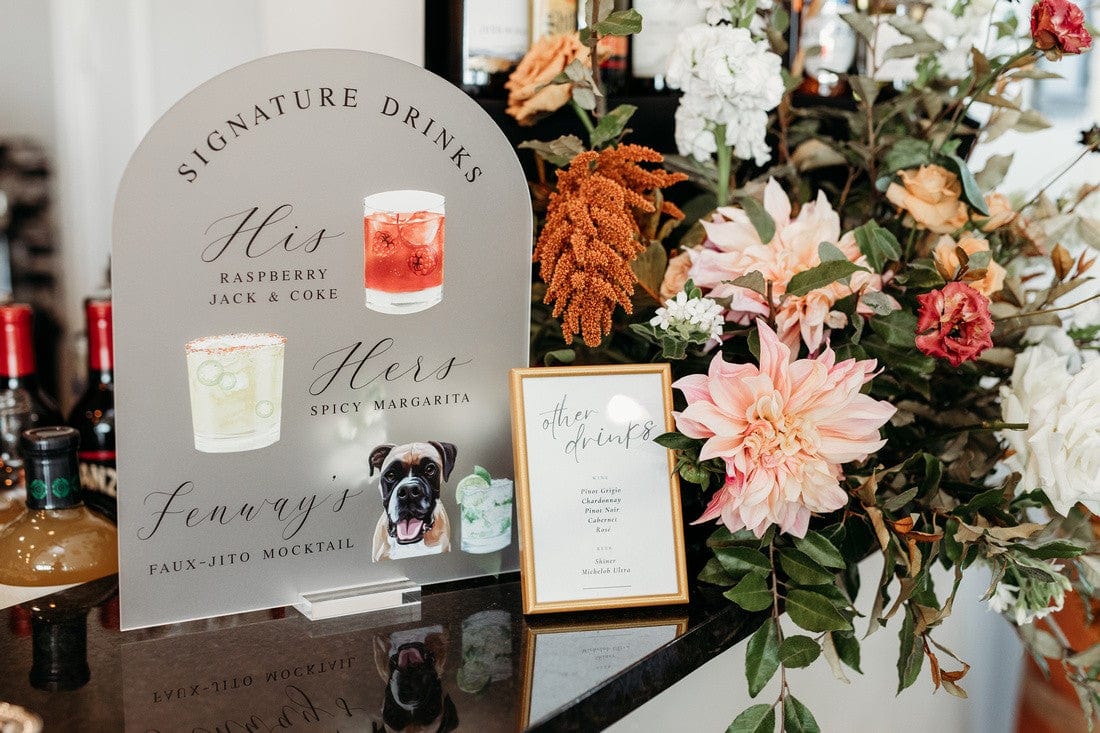
If it becomes clear your dog shouldn't participate in the ceremony itself, you can still celebrate them beautifully throughout your reception. Custom napkins featuring their portrait, personalized bar signs, and welcome signs let your dog's presence be felt without requiring their physical attendance. Many guests won't even realize your dog wasn't at the ceremony because they're seeing their sweet face throughout the celebration.
For comprehensive ideas on including your dog when they can't attend in person, our guide on how to include your dog in your wedding offers numerous alternatives that honor your pet without ceremony stress.
The "Call an Audible" Mentality
Perhaps most importantly, give yourself permission to change plans on the day if needed. If your dog is visibly anxious, trembling, or clearly uncomfortable, choosing to skip their ceremony role is the compassionate choice. Your wedding day should be joyful for everyone, including your pet. Flexibility and prioritizing your dog's wellbeing over a specific vision shows true love.

Maximizing Photo Opportunities
Whether your dog participates in the ceremony or not, strategic photo planning ensures you capture beautiful images of this important family member on your wedding day.
The "First Look" with Your Dog
A "first look" between you and your dog—where they see you in your wedding attire for the first time—creates incredibly sweet, genuine moments. Dogs often react with excited tail wags, confused head tilts, or enthusiastic jumping when they see their person transformed. These authentic reactions make for memorable, emotional photos.
Schedule this early in your timeline when you're fresh, makeup is perfect, and you have time to be fully present in the moment. Choose a location with good lighting and minimal distractions. Have your photographer ready to capture both the initial reaction and the quiet moments after when you're simply spending time with your pup.
Bridal Party Portraits Including Your Dog
Include your dog in some bridal party portraits. These might be formal group shots or casual, candid moments. Dogs often bring out genuine laughter and relaxed energy in wedding parties, resulting in photos that feel more natural and joyful than stiffly posed alternatives.
Be strategic about timing—get your "must-have" portraits without the dog first, then bring your pup in for bonus shots. This prevents frustration if your dog isn't cooperating or if managing them is slowing down your photo timeline. The dog photos should feel like fun additions, not stressful obligations.
Creative Detail Shots
Photographers love incorporating pets into detail shots. Your dog can "pose" with your bouquet, sit beside your shoes and accessories, or be photographed with your invitation suite. Their paw might be placed gently on your wedding rings for a symbolic shot (always supervised, never left alone with valuable jewelry).
Communicate with your photographer beforehand about which pet-inclusive shots you envision. Provide reference images if you've seen particular styles you love. Most photographers are happy to accommodate creative requests when they know about them in advance.
The Departure Shot
If your dog is present for any part of your wedding day, the departure photo—you and your spouse leaving with your dog—creates a beautiful "family complete" moment. Whether you're walking to your car, standing on venue steps, or simply posed together at sunset, these images capture the beginning of your married life with all family members represented.
What Happens After the Ceremony?
Once your dog's ceremony role is complete, you need a plan for the rest of their day. Most dogs shouldn't stay for the entire reception, but there are various approaches to their departure.
The Exit Plan
Many couples have their dog leave shortly after the ceremony, usually during cocktail hour or right after formal photos. A designated person—the pet handler, a family member, or a trusted friend—takes your dog home or to their boarding location. This person should be someone who wasn't going to stay for the full reception anyway, so their early departure doesn't disrupt festivities.
Make sure this person has everything they need: your dog's regular food (excitement can cause upset stomachs, so maintaining normal diet helps), medications if applicable, favorite toys or blankets, and clear instructions about your dog's routine. Provide your contact information in case any issues arise, though ideally, you won't be bothered with dog logistics during your reception.
Extended Stay for Calm Dogs
Some exceptionally calm, well-socialized dogs can handle staying through cocktail hour and into early reception. If your dog genuinely enjoys crowds and activity (not just tolerates them), they might have fun greeting guests during cocktail hour. Many guests love having a furry friend to interact with, and your dog becomes a natural conversation starter.
However, even friendly dogs have limits. Watch for signs of stress: excessive panting, seeking hiding spots, reluctance to interact, or clingy behavior. If your dog seems overwhelmed, it's time for them to leave. Their comfort matters more than any plan you made.
The "Home Team" Solution
Some couples arrange for a pet sitter to come to their home, where the dog can relax in familiar surroundings after their ceremony appearance. This works especially well for dogs who find boarding stressful or who are elderly and prefer their own space. The sitter ensures your dog is fed, gets bathroom breaks, and has company without the continued stimulation of the wedding environment.
Including Them in Send-Off Photos Only
Another option is having your dog brought back to the venue at the very end of the night for send-off photos. They participate in ceremony photos, leave for several hours, then return briefly for that final family photo as you depart. This requires coordination and someone willing to make two trips, but it bookends your day with your dog's presence.
Alternative Ceremony Roles for Dogs
If the ring bearer role seems too demanding for your dog, consider these alternative ways to include them in your ceremony.
Flower Dog
Similar to ring bearer but potentially easier, a "flower dog" wears a floral collar or pulls a small wagon decorated with flowers or petals. Some couples attach a basket of petals to the dog's harness. The flower dog walks down the aisle ahead of the bride, adding a whimsical, charming element without the ring-carrying responsibility.
This role works well for energetic dogs who might struggle with the precision of ring delivery but can handle walking through a crowd. The lowered stakes make it feel less stressful—if your flower dog gets distracted or moves too quickly, it's adorable rather than problematic.
Walking With the Bride or Groom
Some couples have their dog walk down the aisle with them rather than before them. This is especially meaningful for people whose dog has been their companion through single years—symbolically, the dog is "giving them away" or accompanying them to their next life chapter. It's an intimate, emotional choice that often brings tears to guests' eyes.
This works best with calm dogs comfortable on-leash beside their person. The handler can walk on the opposite side, gently guiding the dog while you maintain focus on your partner waiting at the altar. Photos of this moment are often stunning—capturing the bride or groom with their dog creating a powerful image of family and commitment.
Standing With the Wedding Party
Dogs who can reliably hold a sit/stay might simply join the wedding party at the altar. They don't walk down the aisle at all; instead, they're already positioned when the ceremony begins, standing quietly with the groomsmen or bridesmaids. A handler stands unobtrusively nearby to manage the dog and provide treats for continued cooperation.
This avoids the unpredictability of the aisle walk while still including your dog in ceremony photos and the official proceedings. It requires a dog with exceptional stay training and temperament, but when it works, it's beautifully understated.
The Signature Page Witness
For a creative twist, some couples include their dog's paw print on their marriage certificate or guest book. This doesn't involve ceremony participation but creates a permanent record of their dog's "presence" at the wedding. You can do this during formal photos, have your pet handler facilitate it, or save it for a quieter moment during the reception.
Use pet-safe, non-toxic ink for paw prints. Practice beforehand so you know your dog tolerates having their paw handled and pressed onto paper. This keepsake becomes a touching part of your official wedding documentation.

Frequently Asked Questions
How do I know if my dog is ready to be a ring bearer?
Assess your dog's temperament honestly. The ideal ring bearer dog is calm around crowds, comfortable with strangers, responsive to basic commands, and not overly anxious or excitable. If your dog does well at busy parks, enjoys meeting new people, and can focus despite distractions, they're likely a good candidate. Dogs who are fearful, extremely high-energy, or poorly trained will struggle with ceremony responsibilities and may find the experience stressful rather than fun. When in doubt, consult a professional dog trainer who can evaluate your dog's readiness and provide targeted training recommendations.
Should my dog carry the real wedding rings?
Absolutely not. Always use fake or placeholder rings for your dog to carry. The risk of your dog chewing, swallowing, dropping, or losing expensive wedding rings is too high. Purchase inexpensive replica rings or use ring-shaped toys that look legitimate from a distance. Your actual rings should remain with your best man, maid of honor, or officiant throughout the ceremony. This is standard practice and prevents potential disasters while still creating the visual of your dog delivering the rings. Most guests never realize the rings aren't real.
What should my dog wear as a ring bearer?
Choose attire based on your wedding style and your dog's comfort. Simple options like bow ties or bandanas work for most dogs and coordinate easily with wedding colors. Tuxedo harnesses create a more formal look but require a practice period to ensure your dog tolerates them. Floral collars suit romantic, garden-style weddings beautifully. Whatever you choose, introduce it gradually weeks before the wedding—have your dog wear it for increasing durations at home, always paired with treats and positive experiences. If your dog never adjusts to wearing anything, they can participate without attire and still look adorable.
Whoshould walk my dog down the aisle?
Choose someone your dog knows well and trusts—ideally someone with dog-handling experience who will stay calm if things don't go perfectly. This might be a family member, close friend, or hired professional pet handler. Whoever you choose should not have other significant ceremony responsibilities so they can focus entirely on your dog. Professional pet handlers are increasingly common at weddings because they have experience managing animals in high-pressure situations and know how to gently redirect if your dog becomes distracted or nervous. Practice with this person multiple times before the wedding so your dog is completely comfortable with them.
What if my dog freezes or won't walk down the aisle?
Have a backup plan ready. If your dog freezes, the handler can gently encourage them with treats or by calling them forward. If that doesn't work, the handler can calmly pick up your dog and carry them the rest of the way—it still creates a sweet moment even if not exactly as planned. Alternatively, you can call your dog from the altar end, using your familiar voice to encourage them forward. If your dog is clearly stressed or refusing to participate, it's okay to skip that part entirely. Their wellbeing is more important than any specific ceremonial moment, and you can still celebrate them beautifully through reception décor and photos.
How long before the wedding should I start training my dog?
Begin training 3-6 months before your wedding if possible. This allows time for foundation obedience work, simulated practice in various environments, outfit introduction, and refinement of specific ceremony behaviors. Dogs learn best through repetition over time, so starting early prevents last-minute stress. If you're closer to your wedding date, focus on the essentials: reliable recall, comfort with the person who will walk them, and tolerance of their outfit. Even a few weeks of focused practice can make a significant difference, though more time is always better for building reliable behaviors.
Can I include multiple dogs in my ceremony?
Yes, though it increases complexity. Multiple dogs can walk together if they get along well and have similar energy levels. Alternatively, they can walk separately in sequence—one after another down the aisle. Each dog needs their own handler to ensure safe, controlled participation. Consider whether all your dogs have the temperament for ceremony roles or if some would be better celebrated through décor and photos only. Training multiple dogs requires significantly more time and effort, so be realistic about your capacity. Sometimes featuring one dog in the ceremony while honoring others through custom napkins or bar signs provides better balance.
What if the venue doesn't allow dogs?
Many venues have strict no-pet policies due to health codes, insurance restrictions, or other regulations. Always check venue policies early in your planning process and get any permissions in writing. If your preferred venue doesn't allow dogs, you have several options: find a different venue that welcomes pets, have your dog participate only in photos taken elsewhere, or celebrate your dog through personalized décor throughout your reception. Our comprehensive guide on including your dog in your wedding covers numerous alternatives when physical attendance isn't possible, from custom illustrations on napkins and signs to creative memorial tributes.
What happens to my dog after their ceremony role?
Plan for your dog to leave shortly after the ceremony, typically during cocktail hour or after formal photos. A designated person—pet handler, family member, or friend—should take your dog home, to a boarding facility, or to a pet sitter. Most dogs shouldn't stay for entire receptions as they become tired, overwhelmed, or anxious in the extended party environment. Make sure whoever is responsible for your dog has everything needed: food, water, medications, clear instructions, and your contact information for emergencies. Some couples arrange for their dog to return briefly at the end of the night for send-off photos, but generally, dogs do best leaving once their special moment is complete.
Making the Ring Bearer Dream a Reality
Having your dog as a ring bearer is a beautiful way to include them in one of your life's most significant moments. With realistic expectations, thorough preparation, and flexibility for the unexpected, you can create a ceremony moment that honors your furry family member while still feeling elegant and intentional.
Remember that perfect execution isn't the goal—genuine celebration of your dog's place in your life is what matters. Whether your pup glides gracefully down the aisle or requires some gentle encouragement, the moment will be authentic and meaningful because it reflects the real relationship you share with your pet.
For even more ways to celebrate your dog throughout your wedding—from ceremony participation to reception décor—explore our complete guide on how to include your dog in your wedding. Your wedding should honor everyone you love, including the four-legged family members who've been there through it all.
Related Articles
- How to Include Your Dog in Your Wedding: 10 Creative Ideas
- Custom Pet Portrait Napkins for Weddings: Design Ideas & Tips
- Pet-Friendly Wedding Planning: What You Need to Know
- What to Do with Your Dog During Your Wedding: A Practical Guide
- Wedding Bar Signs with Pet Illustrations: Complete Guide
- Personalized Can Coolers with Pet Portraits: Favor Ideas
- Real Wedding Inspiration: Couples Who Included Their Dogs
- Honoring Deceased Pets at Your Wedding: Memorial Ideas
- Dog-Friendly Wedding Venues: Questions to Ask Before Booking
- Wedding Day Pet Care: Hiring Professional Handlers
At Rubi and Lib, we specialize in helping you celebrate life's most memorable moments with personalized wedding and party decor designed to reflect your unique style. From custom cocktail napkins and frosted plastic cups to bar signs and party favors, our curated collections are created to elevate your celebration and leave a lasting impression on your guests.
Whether you're planning a wedding, bridal shower, bachelorette party, baby shower, or birthday bash, our products add a thoughtful, stylish touch that turns an ordinary gathering into an unforgettable event. Many of our designs feature custom illustrations—including pet portraits—so your decor feels as one-of-a-kind as your story.
As a women-owned small business, we're passionate about making the ordering process seamless and enjoyable. Every item is crafted with care and attention to detail, and most of our products are made in the USA. We believe celebrations should feel personal, joyful, and stress-free—that's why we're here to help you create meaningful moments, one custom detail at a time.
Explore our best sellers, discover customer favorites, or reach out for something truly unique. At Rubi and Lib, your celebration is our inspiration.

Written by Bethany Wysolmerski